Introduction to Art Photography
Art photography is more than just images captured through a lens; it is a medium through which photographers express their unique perspectives and emotions. As we progress into 2026, the landscape of art photography continues to evolve, influenced by technological advancements and shifting artistic movements. This article delves into contemporary techniques, emerging styles, and the ways photographers can push boundaries within this vibrant art form.
Understanding Different Styles of Art Photography
Art photography comes in various styles, each conveying its own message and aesthetic. Here are a few prominent styles to explore:
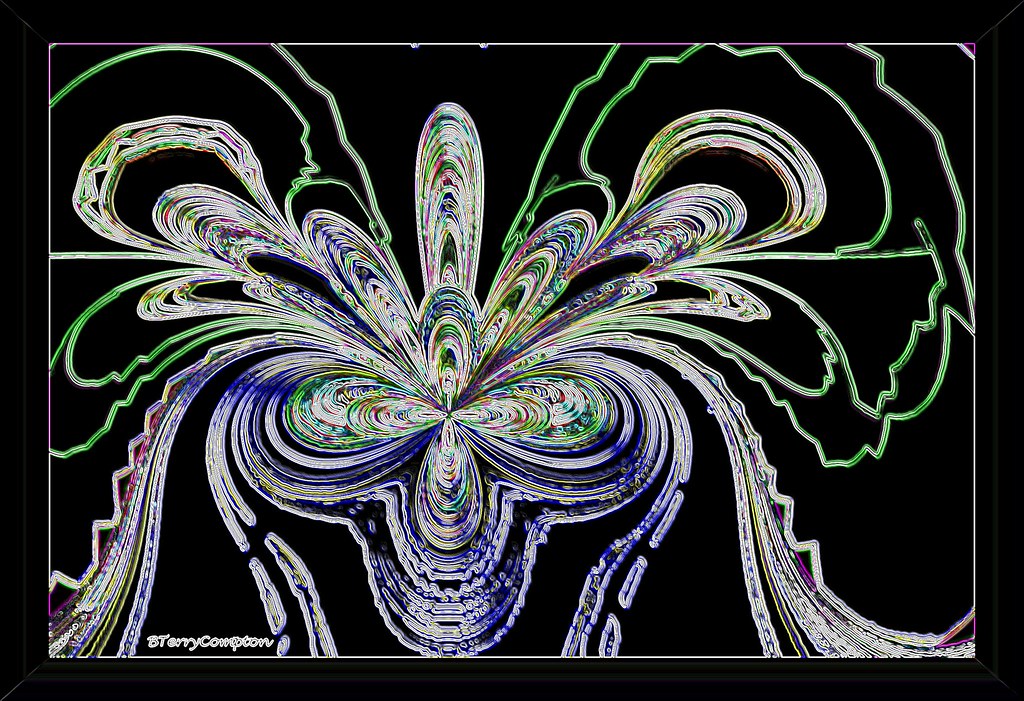
- Abstract Photography: This style focuses on shapes, colors, and textures rather than traditional subject matter. Abstract photography invites viewers to interpret images without preconceived notions.
- Surreal Photography: By juxtaposing dreamlike elements, surreal photography creates a sense of mystery and intrigue. It challenges reality and encourages viewers to explore their imagination.
- Documentary Art Photography: More than just facts, this style tells stories through visuals, often highlighting social issues or cultural events. It seeks to inspire change or provoke thought.
- Conceptual Photography: Conceptual artists use photography to illustrate ideas, often employing staged scenes, props, and models. The focus is on the concept itself rather than just the visuals.
Techniques to Enhance Your Art Photography
As you explore the realm of art photography, incorporating various techniques can elevate your work. Here are some effective methods to consider:
- Long Exposure: This technique allows you to capture movement in a still image, creating a dreamlike quality. It’s great for landscapes where water or clouds play a significant role.
- Double Exposure: By layering two images, photographers can create a surreal effect that tells a story or enhances a theme. This technique requires a keen understanding of composition.
- High Dynamic Range (HDR): HDR photography involves taking multiple exposures of the same scene and merging them to create an image with vivid details in both shadows and highlights.
- Light Painting: Using a light source to ‘paint’ on a photograph during a long exposure can yield stunning results. This technique is playful and invites creativity.
Current Trends in Art Photography
As we navigate through 2026, several trends are shaping the art photography scene:
- Sustainable Photography: With growing awareness of environmental issues, many artists are focusing on sustainability in their practices. Using eco-friendly materials and promoting conservation through their work are becoming common.
- Digital Manipulation: The rise of digital tools allows for manipulation beyond traditional boundaries. Combining digital art with photography creates innovative visuals that attract modern audiences.
- Interactive and Immersive Experiences: Photographers are exploring ways to engage viewers through interactive exhibitions and installations, blurring the lines between the observer and the subject.
- Inclusivity and Diversity: More artists are highlighting diverse narratives and underrepresented voices in their photography, enriching the medium and fostering broader connections.
Finding Inspiration for Your Art Photography Journey
Staying inspired is crucial for any artist. Here are some effective methods to ignite your creativity in art photography:
- Attend Workshops and Exhibitions: Engaging with other artists and participating in workshops can provide new techniques and perspectives. Exhibitions expose you to emerging styles and concepts.
- Join Photography Communities: Online forums and local groups can offer support, feedback, and camaraderie. Sharing ideas with like-minded individuals fosters inspiration and growth.
- Explore Nature and Urban Settings: Both natural landscapes and urban environments provide endless opportunities to capture creativity. Each location offers unique light, textures, and subjects to work with.
- Challenge Yourself with Personal Projects: Taking on a personal project can help you develop your vision. Focus on a theme or subject that resonates deeply with you, allowing for exploration and expression.
Conclusion: Evolving Your Art Photography Skills
Art photography is an ever-evolving field filled with opportunities for expression, experimentation, and innovation. As we continue through 2026, embracing new techniques and staying attuned to current trends will enable photographers to thrive. The key is to remain authentic and passionate about your creative journey, allowing your unique voice to shine through in every photograph you capture.