Understanding Color in Art Photography
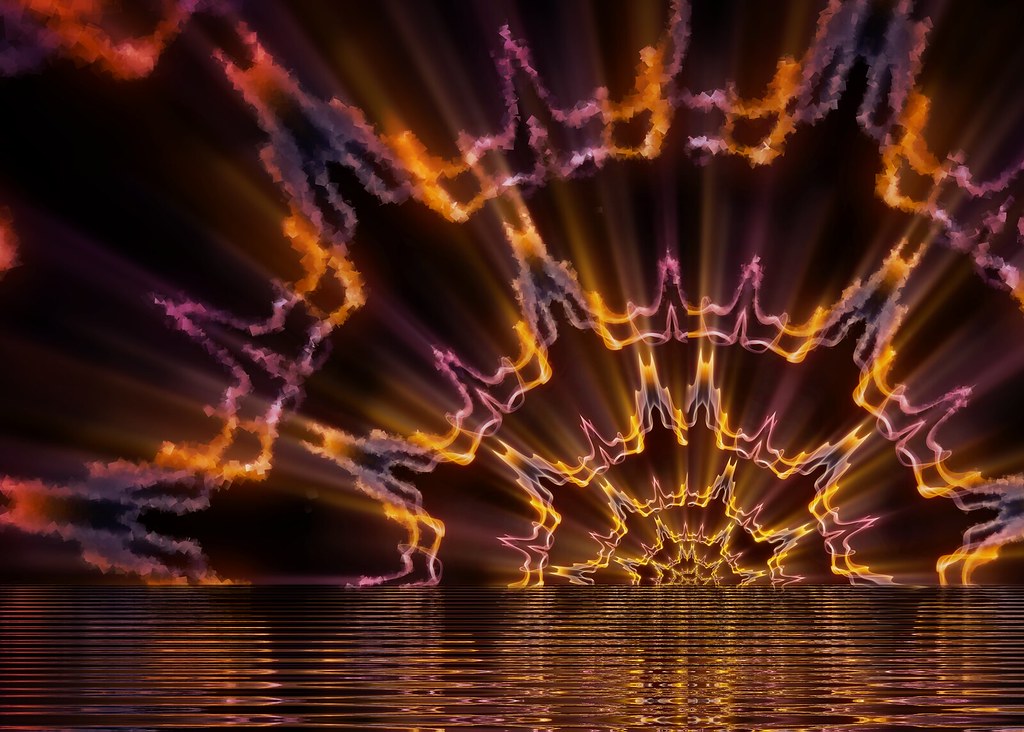
Color is one of the most powerful tools in art photography. It can evoke emotions, represent ideas, and create stunning visual compositions. In 2026, photographers are increasingly recognizing the psychological impact of color, utilizing color theory to enhance their artistic expressions.
The Basics of Color Theory
Color theory revolves around the color wheel and the relationships between colors. Here are some key concepts:
- Primary Colors: Red, blue, and yellow are the foundation of all other colors.
- Secondary Colors: These are created by mixing primary colors; for example, red and blue make purple.
- Complementary Colors: Colors opposite each other on the color wheel, like blue and orange, create visual tension and excitement.
By understanding these relationships, photographers can create images that resonate more deeply with viewers.
Emotional Connections Through Color
Colors can elicit specific emotional responses. For instance:
- Red: Passion, love, or anger
- Blue: Calm, trust, or sadness
- Yellow: Happiness, energy, or caution
As photographers, using the right color palette can significantly influence the viewer’s perception and emotional response to an image.
Strategies for Using Color Effectively
In 2026, art photographers are employing various strategies to maximize the emotional impact of their work:
- Monochromatic Palettes: Focusing on variations of a single color creates a harmonious and cohesive look, enhancing the emotional tone.
- Color Contrast: Using contrasting colors can draw attention to specific subjects, making them pop against a more muted background.
- Natural Color Grading: Digital tools now allow photographers to manipulate colors in post-processing, enabling them to achieve their desired emotional effects.
Innovative Techniques in Art Photography
As we move through 2026, innovative techniques in art photography are emerging, pushing the boundaries of traditional methods. Here are some notable trends: Also read: wak89 for more insights.
Double Exposure Techniques
Double exposure allows photographers to blend two different images into one, creating a striking visual narrative. This technique can represent contrasting emotions or ideas, engaging viewers on multiple levels.
High Dynamic Range (HDR) Imaging
HDR imaging captures a wider range of light and detail within the same scene. By combining multiple exposures of the same subject, photographers can create images that are both vibrant and ethereal.
Aerial Photography
With the increasing accessibility of drones, aerial photography has become a popular method for capturing unique perspectives. This bird’s-eye view can change the way we interpret landscapes and urban environments.
Blending Art and Technology
As technology continues to advance, photographers are finding new ways to integrate digital tools into their creative processes. Artificial intelligence (AI) is now playing a significant role in art photography:
- AI Image Enhancement: Using AI-driven software to enhance images can help photographers achieve the desired impact without the long hours typically spent in post-processing.
- Creative AI Tools: New applications enable photographers to brainstorm concepts, generate creative ideas, or even suggest compositions based on previously successful works.
Future Trends in Art Photography
As we look ahead, several trends are anticipated to shape the art photography landscape:
- Sustainability Awareness: Photographers are becoming more conscious of their environmental impact, using eco-friendly materials and techniques in their work.
- Personal Narratives: With the rise of social media and online platforms, photographers are crafting personal stories through their images, connecting with audiences on a deeper level.
- Interactive Photography: Incorporating elements of interactivity in art photography can offer viewers an immersive experience, allowing them to engage with the work in innovative ways.
Conclusion
The world of art photography in 2026 is a vibrant tapestry woven from color, emotion, and technological innovation. By harnessing the power of color theory and adapting to emerging trends, photographers are able to create impactful work that resonates with audiences. As we move forward, the evolution of art photography will undoubtedly continue to inspire and challenge our understanding of visual storytelling.