Introduction to Art Photography
Art photography has seen an incredible evolution over the last few decades, transitioning from traditional methods to a blend of innovative techniques and perspectives. As of 2026, the landscape of art photography continues to adapt, incorporating elements from both digital and conventional practices while redefining artistic boundaries.
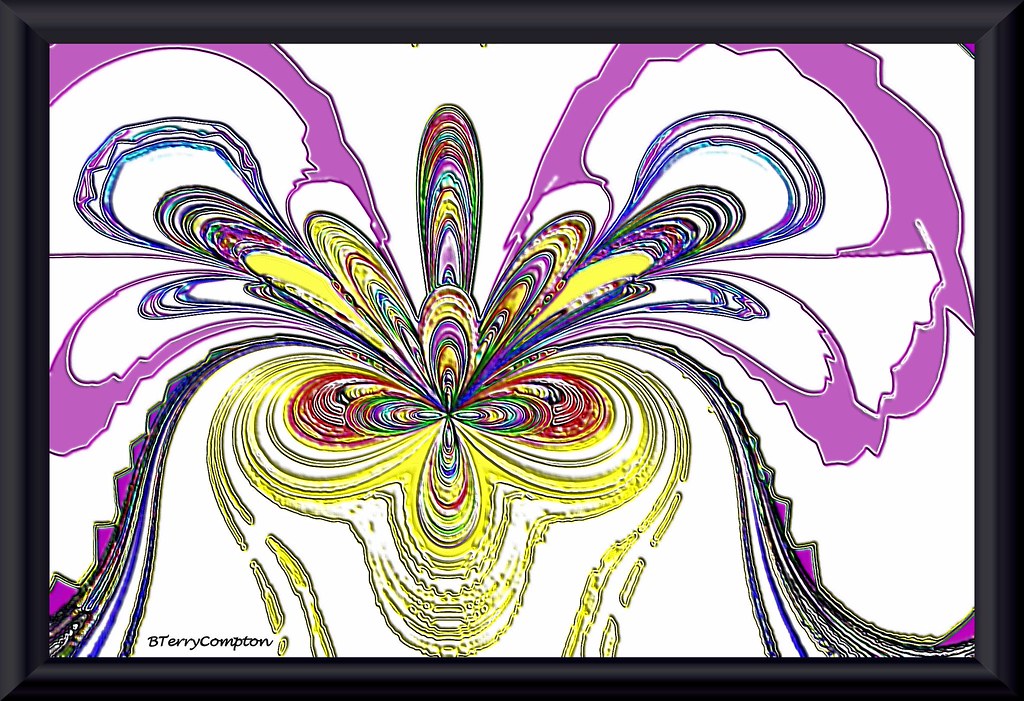
Understanding the Roots of Art Photography
The origins of art photography date back to the 19th century when it was introduced as a means of artistic expression. Early practitioners, like Alfred Stieglitz and Edward Weston, laid the groundwork for future generations, emphasizing photography as a legitimate form of art. Their work challenged the notion that photography was merely a mechanical reproduction of reality.
Key Historical Milestones
- 19th Century: Pioneers establish photography as an art form.
- Mid-20th Century: The rise of modernism influences photographic aesthetics.
- Late 20th Century: Digital technology begins to transform the medium.
Current Trends in Art Photography
The year 2026 brings fresh trends in art photography that reflect societal shifts and technological advancements. Photographers are increasingly experimenting with various styles and methodologies that push the envelope of creativity.
Integration of Mixed Media
Artists are increasingly combining photography with other art forms to create mixed media works. This fusion allows for deeper storytelling and more dynamic visual experiences, attracting broader audiences.
Exploration of Identity and Culture
Many contemporary art photographers delve into themes surrounding identity, culture, and social issues. They use their work to challenge stereotypes and foster discussions on diversity and inclusivity.
The Role of Social Media in Art Photography
Social media platforms have revolutionized how artists share their work, connect with audiences, and gain visibility. In 2026, platforms like Instagram, TikTok, and emerging networks are shaping art photography’s future.
Building a Personal Brand
Photographers are leveraging social media to build personal brands, showcasing their portfolios and engaging with followers. This direct interaction fosters a unique community and creates opportunities for collaboration.
Art as a Form of Activism
Social media acts as a powerful tool for artists to promote activism through their work. Photographers often highlight pressing social issues by creating compelling visuals that resonate with viewers, driving awareness and action.
Tech Innovations Shaping Art Photography
The intersection of technology and art photography is more pronounced than ever. Innovations in camera equipment, editing software, and distribution methods are shaping how artists create and share their work.
Advancements in Camera Technology
In 2026, advancements in camera technology—such as AI-enhanced lenses and compact, high-resolution sensors—allow photographers to capture images with unprecedented clarity and creativity.
Editing Software and Techniques
New editing software equipped with AI capabilities provides artists with advanced tools to manipulate images in innovative ways. Features like automated retouching and complex layering allow for creative exploration that was previously time-consuming or impossible.
Art Photography Exhibitions: The New Wave
Art photography exhibitions are evolving, incorporating immersive elements that engage viewers on multiple levels. In 2026, many galleries embrace technology to enhance the viewer experience.
Virtual and Augmented Reality
Some exhibitions now feature virtual and augmented reality components, allowing viewers to interact with the art in immersive environments. This innovative approach extends the boundaries of traditional viewing.
Pop-Up Exhibitions
Pop-up exhibitions in unconventional spaces are becoming increasingly popular. These temporary exhibitions allow artists to showcase their work in unique settings, attracting diverse audiences and creating buzz around their art.
Conclusion: The Future of Art Photography
As we look toward the future, art photography stands at an intriguing crossroads where tradition meets innovation. The fusion of various techniques, themes, and technologies ensures that art photography remains a dynamic and vital form of expression. In 2026, the journey of art photography continues, with artists pushing boundaries, telling powerful stories, and inviting viewers to engage with their work in meaningful ways.