Introduction
Art photography has evolved into a powerful medium that ignites not only visual pleasure but also a rich sensory experience. As we navigate through 2026, artists are pushing boundaries to create images that engage the viewer on multiple levels. This article delves into the sensory aspects of art photography, exploring how it transcends mere visual representation to evoke touch, sound, and emotion.
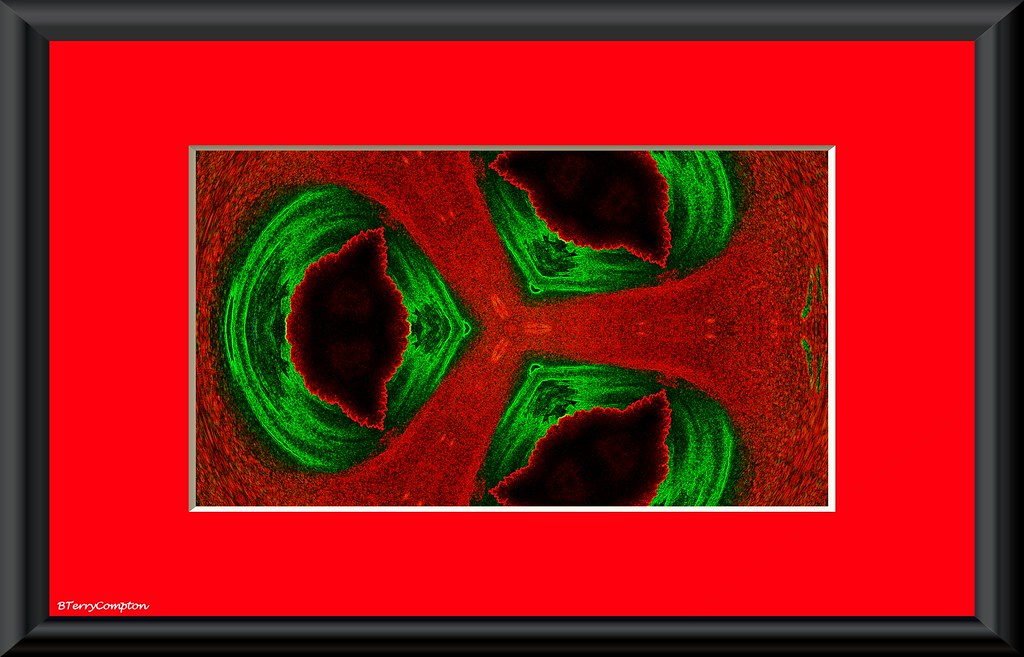
The Multi-Sensory Experience
In the realm of art photography, the goal is often to create an immersive experience. The modern viewer seeks more than just a pretty picture; they desire an emotional and sensory engagement. Here are key aspects that contribute to this multi-sensory experience:
- Texture: The perceived texture in photographs can evoke tactile sensations. Artists often use close-up shots to highlight the intricacies of materials, from the roughness of tree bark to the softness of a petal.
- Color Psychology: Colors can trigger emotions and memories, influencing how viewers feel about an image. For instance, warm colors like red and orange may evoke passion and warmth, while cooler tones can generate calm and introspection.
- Movement: The portrayal of motion in photography can create a sense of dynamism, making the viewer feel as if they are part of the action. This can be achieved through techniques such as long exposure or panning.
- Sound Imagination: A powerful photograph can conjure the sounds associated with a scene, like the rustling of leaves or the buzzing of a city. This auditory imagination deepens the viewer’s connection to the image.
The Role of Emotion in Art Photography
Emotion plays a pivotal role in art photography, turning simple images into profound narratives. Photographers today harness this emotional power to make statements and provoke thought. Here are some ways that emotion is expressed through art photography:
- Storytelling: By capturing moments that reflect human experiences, photographers can tell stories that resonate with viewers. A candid shot of a child laughing can evoke joy, while a solitary figure can inspire feelings of loneliness.
- Symbolism: Photographers often incorporate symbols into their work to convey deeper meanings. For example, an image of a blooming flower might symbolize hope and new beginnings.
- Contrast: The use of contrast—both in lighting and subject matter—can enhance emotional depth. Dark shadows against bright highlights can evoke drama and tension, while soft focus can create a dreamlike quality.
Crafting the Sensory Narrative
Creating a sensory narrative requires careful consideration of various components of photography. Here are some techniques that can help photographers craft images that resonate with the senses:
- Lighting: The choice of lighting can dramatically alter the mood of a photograph. Soft, diffused light can create an ethereal feel, while harsh, direct light can convey intensity.
- Framing: The way subjects are framed can draw attention to specific details, enhancing the visual narrative. A tightly cropped image invites closer inspection and a more intimate connection.
- Combination of Elements: Mixing different elements such as shadows, reflections, and patterns can create intriguing compositions that invite exploration.
Technology’s Influence on Sensory Photography
As technology continues to advance, so do the possibilities for enhancing the sensory experience in art photography. Here are some notable innovations:
- Augmented Reality (AR): AR technology allows viewers to engage with photographs in new ways, making the experience interactive and immersive. For instance, scanning an image with a smartphone might reveal additional layers of information or animations.
- Virtual Reality (VR): VR takes immersion to the next level, allowing viewers to step into a photo and experience it from within. This can create a profound sense of presence and emotional connection.
- AI and Editing Software: Advances in artificial intelligence and photo editing software enable photographers to manipulate images creatively, enhancing sensory elements like color saturation and texture.
Building a Community Around Sensory Experience
The exploration of sensory experience in art photography also fosters community and dialogue among artists and viewers. Photographers today are more engaged with their audiences, sharing insights and stories behind their work. Events such as workshops, exhibitions, and online forums provide platforms for discussing the emotional and sensory aspects of photography.
Conclusion
As we move through 2026, the sensory experience of art photography continues to evolve and expand. By embracing elements that engage the senses, photographers can create impactful images that resonate deeply with audiences. This year invites both artists and viewers to explore the emotional narratives behind the lens, making art photography not just a visual feast, but a holistic sensory journey.