Understanding the Role of Art Photography Today
Art photography has always served as a powerful medium for personal expression, societal reflection, and cultural commentary. As we navigate through 2026, the importance of photography as a form of art is more pronounced than ever, particularly in its ability to resonate with contemporary cultural narratives.
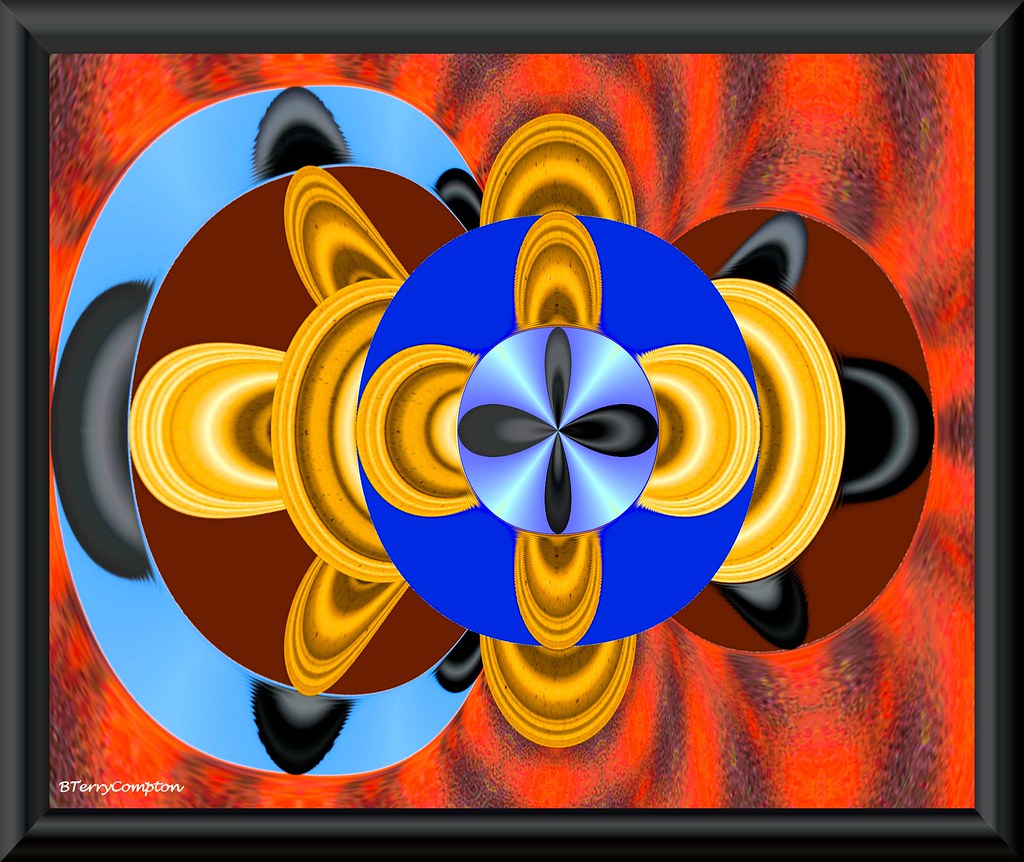
Art Photography: A Mirror to Society
In this digital age, art photography stands out as a unique lens through which we can examine and reflect societal shifts. It captures not just images, but feelings, stories, and cultural shifts that define our time.
- Embracing Diversity: Today’s art photography celebrates diversity in representation, showcasing a multitude of identities, experiences, and perspectives. This diverse portrayal fosters empathy and encourages dialogue.
- Commentary on Current Events: Photographers are increasingly using their art to comment on pressing issues like climate change, social justice, and mental health. This form of visual activism empowers artists to spark conversations and inspire change.
The Aesthetic Evolution of Art Photography
The aesthetics of art photography have evolved dramatically over the years. In 2026, we see a blend of traditional techniques with modern technology, creating a rich tapestry of visual narratives.
- From Film to Digital: While film photography retains its charm, digital photography has opened doors to new creative possibilities. Artists now experiment with advanced editing techniques and immersive digital experiences, elevating their storytelling.
- Mixed Media Approaches: Many artists are embracing mixed media, combining photography with painting, installation, and even digital art. This fusion pushes the boundaries of what art photography can be, creating multifaceted works that invite deeper engagement.
Art Photography as a Form of Storytelling
Each photograph tells a story, and contemporary art photography emphasizes this narrative aspect, engaging viewers on multiple levels. Here’s how:
- Personal Narratives: Artists are using their personal experiences as a foundation for their work. This authenticity allows viewers to connect on a deeper emotional level.
- Community Stories: Photographers are also focusing on community stories that highlight local culture, experiences, and struggles, providing insight into worlds often overlooked.
Exploring the Intersection with Technology
The integration of technology in art photography is transforming how we create and perceive images. In 2026, we see several notable trends:
- Augmented Reality: Some photographers are incorporating AR elements into their work, allowing viewers to interact with images in real-time. This innovative approach deepens engagement and creates an immersive experience.
- Social Media Influence: Platforms like Instagram and TikTok have revolutionized how art is shared and consumed. They serve as virtual galleries, enabling photographers to reach wider audiences and gain instant feedback on their work.
Curating Art Photography Exhibitions
As art photography continues to evolve, the presentation of this medium also adapts. Curators in 2026 are innovating exhibition formats to enhance viewer experience:
- Interactive Exhibits: Many galleries are introducing interactive installations where viewers can immerse themselves in the narratives behind the photos, often accompanied by audio or visual components.
- Virtual Exhibitions: The rise of virtual reality has enabled art photography exhibitions to transcend physical space. Artists can showcase their work in virtual galleries, reaching global audiences without geographical limits.
Conclusion: The Future of Art Photography
As we move forward, the role of art photography will only grow in significance. It serves as a canvas for cultural expression and a powerful tool for social commentary. The ongoing dialogue between photographers, their subjects, and audiences creates a rich landscape of creative possibilities, ensuring that art photography remains a vital part of our cultural narrative.