Introduction
In 2026, art photography continues to evolve, incorporating new techniques and inspirations that resonate with both seasoned photographers and newcomers alike. The intersection of technology and creativity has opened doors to innovative practices, making it an exciting time for those passionate about capturing the world through their lenses. This article explores various techniques, inspirations, and key considerations in the realm of art photo-making, encouraging photographers to express their unique artistic visions.
Understanding Artistic Photography
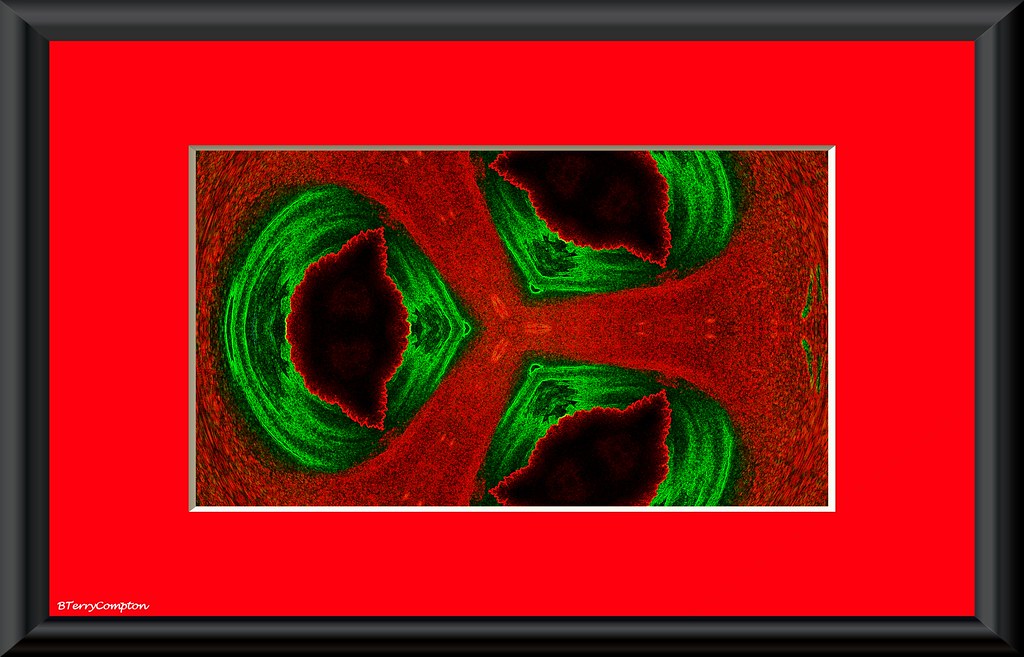
Art photography transcends mere representation of subjects; it seeks to evoke emotions, spark conversations, and challenge perceptions. Unlike traditional photography, which often prioritizes documentary accuracy, art photography embraces creativity and subjective interpretation.
The Role of Intent in Art Photography
Every art photo begins with intention. A photographer’s vision drives the creative process, influencing decisions on subjects, composition, and style. This intentionality plays a crucial role in distinguishing art photography from other genres. Here are some aspects to consider:
- Conceptual Framework: Establishing a strong concept can guide the overall narrative of your work.
- Emotional Resonance: Aim to evoke feelings in your audience, whether joy, nostalgia, or contemplation.
- Visual Language: Develop a personal style that communicates your artistic voice through colors, textures, and compositions.
Key Techniques in Art Photography
Art photography techniques are as varied as the artists themselves, but several key approaches can enhance your work:
1. Experimental Techniques
Embrace experimentation as a vital aspect of your art. Techniques such as double exposure, long exposure, and intentional camera movement can yield unique results. Consider these methods:
- Double Exposure: Layer two or more images to create surreal or abstract compositions.
- Long Exposure: Capture movement over time, producing ethereal effects in landscapes or urban scenes.
- Light Painting: Use a light source to ‘paint’ in a scene during a long exposure, resulting in dynamic visuals.
2. Emphasis on Composition
Composition is vital in art photography; it dictates the arrangement of elements within the frame. Techniques to enhance composition include:
- Rule of Thirds: Divide your frame into a 3×3 grid and position key elements along these lines or intersections.
- Leading Lines: Use natural lines in your environment to guide the viewer’s eye through the image.
- Framing: Utilize surrounding elements to frame your subject, creating a more engaging visual.
3. Color Theory and Mood
Colors convey emotions and set the tone for your photographs. Understanding color theory can enhance your storytelling:
- Complementary Colors: Use opposing colors to create contrast and draw attention.
- Monochromatic Schemes: Limit your palette to shades of one color for a cohesive and harmonious feel.
- Warm vs. Cool Tones: Choose warm tones for energetic themes and cool tones for calm or melancholic vibes.
Finding Inspiration in Everyday Life
Inspiration for art photography can come from the most unexpected places. Here are some tips to help you find your muse:
1. Explore Various Genres
Don’t confine yourself to a single style. Explore portraiture, still life, abstract, and landscape photography to broaden your perspective. Each genre offers different insights and techniques that can enrich your artistic expression.
2. Nature as an Endless Source
Nature is a magnificent provider of inspiration. Pay attention to the changing seasons, light variations, and textures found in the environment. Capture the essence of nature through macro photography or wide landscapes.
3. The Influence of Art History
Study the works of renowned artists, both past and present. Understanding their approaches to form, color, and emotion can inspire your own work, helping you to refine your vision and techniques.
Showcasing Your Work
Once you’ve developed your artistic photography, it’s vital to share it with the world. Here are some effective ways to showcase your art:
1. Online Portfolios
Create a personal website or use platforms like Instagram and Behance to display your portfolio. This allows you to reach a broader audience and connect with other artists.
2. Local Exhibitions and Galleries
Participate in local art exhibitions or galleries. These opportunities can help you gain valuable feedback and recognition within your community.
3. Social Media Engagement
Engage with your audience on social media by sharing your thoughts, experiences, and behind-the-scenes processes. This creates a personal connection with viewers and fosters a supportive community around your work.
Conclusion
Art photography in 2026 invites photographers to delve into their creativity and experiment with various techniques to express their unique perspectives. By embracing intention, exploring diverse methods, and finding inspiration in everyday life, you can create compelling art photos that resonate with viewers and contribute to the dynamic world of art photography. Remember, the journey of art-making is as important as the finished piece, so enjoy every moment of your creative exploration.