Introduction to Art Photography
In the world of visual art, photography has carved a unique niche that transcends mere documentation. As we step into 2026, the craft of art photography has evolved, embracing new techniques and technologies, while retaining its essence of artistic expression. This article delves into the intricacies of art photography, exploring its themes, methods, and the current landscape of this captivating field.
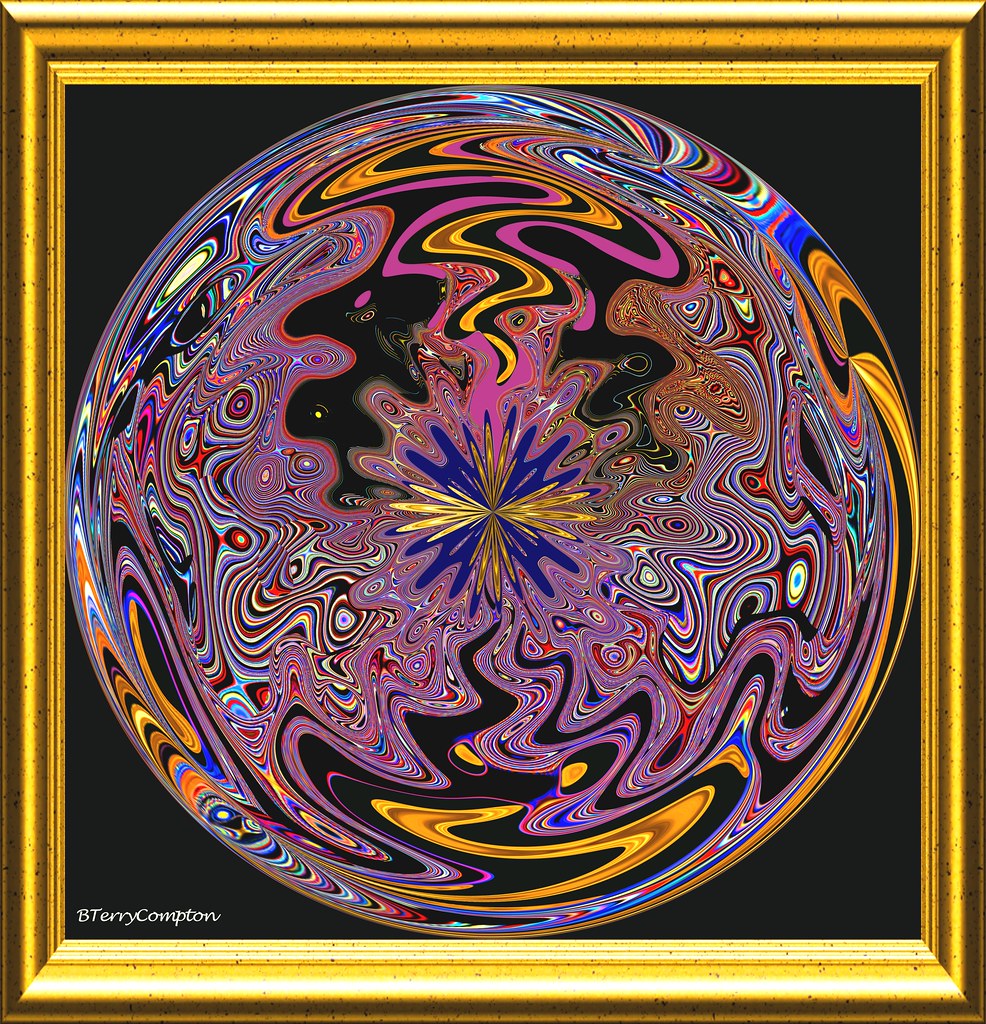
The Artistic Lens: What Sets Art Photography Apart?
Art photography distinguishes itself from traditional photography through its focus on aesthetics and conceptual depth. Unlike commercial photography which prioritizes functionality, art photography aims to evoke emotions, provoke thoughts, and challenge perceptions. Here are some defining characteristics:
- Creative Intent: Every art photograph is infused with the artist’s intention, whether to convey a message, provoke thought, or simply celebrate beauty.
- Subjectivity: Art photography is a personal expression; what resonates with one may not with another, fostering a diverse interpretation.
- Techniques: Artists employ a myriad of techniques including manipulation, mixed media, and innovative compositions to create their works.
Current Trends in Art Photography for 2026
As we navigate through 2026, several trends are shaping the landscape of art photography:
- Digital Manipulation: The rise of advanced technology has allowed photographers to experiment with digital manipulation, creating surreal and imaginative compositions that challenge the viewer’s reality.
- Sustainability: With growing awareness of environmental issues, many photographers are turning towards sustainable practices, utilizing eco-friendly materials and techniques in their artwork.
- Interactive Experiences: Art photography is increasingly becoming an interactive experience, with immersive displays and augmented reality enhancing viewer engagement.
- Social Commentary: Many artists are using photography to comment on social issues, blending art with activism to raise awareness and inspire change.
Embracing Technology: The Role of Digital in Art Photography
The digital revolution has profoundly impacted how art photography is created and shared. Here’s how technology is influencing this art form:
- Editing Software: Tools like Adobe Photoshop and Lightroom have become indispensable, allowing for intricate editing that can transform a simple image into a complex work of art.
- Social Media: Platforms like Instagram and Pinterest serve as galleries for photographers, enabling them to reach a global audience and connect with potential buyers.
- High-Quality Gear: The evolution of camera technology, with features like high-resolution sensors and advanced autofocus systems, is making it easier for artists to capture their visions with precision.
Exploring Themes in Contemporary Art Photography
Art photography in 2026 is rich with thematic exploration. Here are some prevalent themes that resonate in current works:
- Identity: Many photographers are exploring personal and social identity, reflecting on cultural backgrounds, gender, and the human experience.
- Isolation and Connection: The themes of loneliness in a hyper-connected world are prominent, as artists depict the juxtaposition of individual isolation and collective experience.
- Nature and Urban Landscapes: A focus on environmental issues has led many photographers to capture the beauty and fragility of nature alongside urban development.
Art Photography in Galleries and Exhibitions
Art photography holds a prominent place in galleries and exhibitions, serving as a medium for conversation and reflection. In 2026, many exhibitions are highlighting:
- Diversity: Celebrating underrepresented voices in the art world, showcasing works from diverse cultural backgrounds.
- Thematic Collections: Group exhibitions focusing on specific themes such as identity, social justice, or the environment provide a platform for dialogue.
- Virtual Exhibitions: The innovation of online galleries and virtual reality experiences is making art more accessible to audiences worldwide.
How to Appreciate and Collect Art Photography
For art enthusiasts and prospective collectors, understanding how to appreciate and collect art photography is essential:
- Learn the Basics: Familiarize yourself with photography terminology and artistic techniques to better understand the work.
- Visit Exhibitions: Explore local galleries and exhibitions to discover emerging artists and trends, gaining insights into the contemporary photography scene.
- Support Artists: Purchasing art directly from artists or through galleries not only supports their work but also helps in sustaining the art community.
Conclusion
As art photography continues to evolve in 2026, it remains an essential form of artistic expression that resonates deeply with viewers. By embracing new technologies, exploring diverse themes, and fostering connections, artists are transforming the photographic medium into a powerful tool for storytelling and reflection. Whether you are a photographer, art lover, or prospective collector, the dynamic world of art photography offers limitless opportunities for exploration and appreciation.