Understanding Mood in Art Photography
In the realm of art photography, mood plays a crucial role in conveying emotions and creating a lasting impact on the viewer. As we navigate through 2026, photographers increasingly explore how atmosphere can be crafted through careful selection of subject matter, lighting, and composition. This evolution reflects a deeper understanding of the emotional connections that images can evoke.
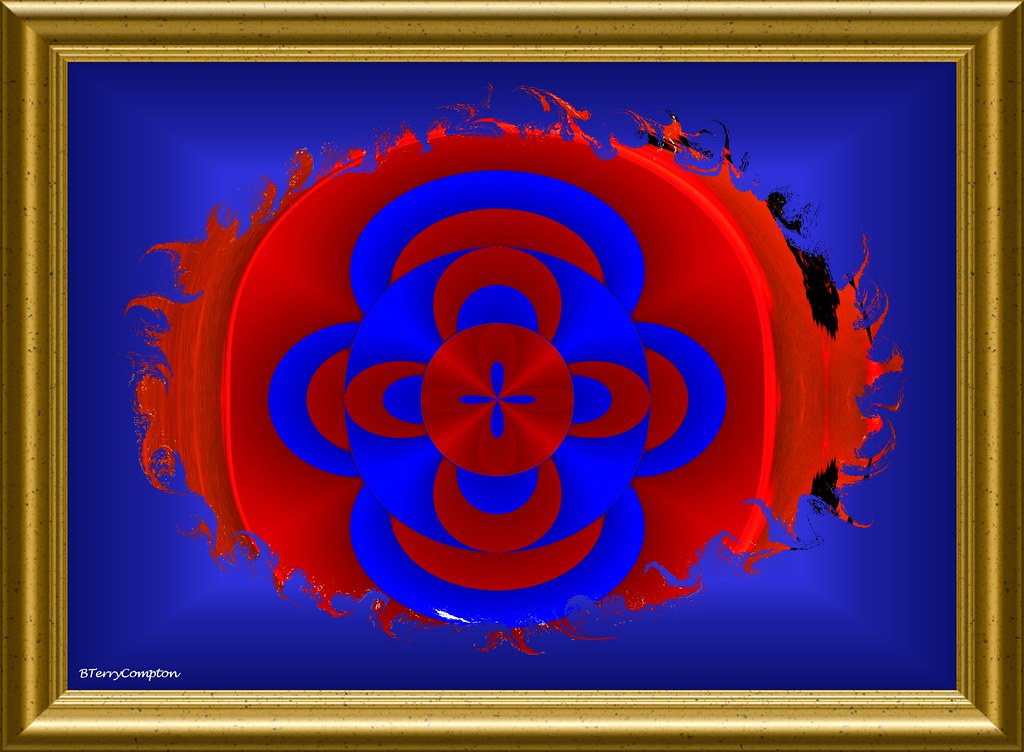
The Importance of Emotion in Photography
Every photograph tells a story, but the story’s emotional depth is what truly captivates an audience. In 2026, photographers are embracing this concept more than ever, using techniques that highlight feelings rather than just aesthetics. This shift encourages viewers to engage with the image on a personal level, invoking memories, dreams, and sometimes unspoken truths.
Techniques for Conveying Mood
Creating a specific mood in art photography requires an array of techniques that can manipulate the viewer’s emotions:
- Lighting: The play of light and shadow can dramatically alter the mood of a photograph. Soft, diffused lighting can evoke feelings of tranquility, while harsh light can create tension.
- Color Palette: Colors have inherent emotional connotations. Warm tones might evoke comfort and warmth, while cooler tones can feel detached or melancholic.
- Composition: The arrangement of elements within a frame can guide the viewer’s eye and, thus, their emotional reaction. Open spaces might signify freedom, while tight compositions can create a sense of claustrophobia.
- Subject Matter: The choice of subject—whether landscapes, portraits, or abstract forms—can greatly influence the mood of an image. Symbolic subjects often resonate deeply with audiences.
Incorporating Storytelling Elements
Storytelling within art photography allows for a richer exploration of mood. By integrating narrative elements, photographers invite viewers to ponder what lies beyond the image itself. This can include:
- Context: Providing background information or a brief story behind the photograph can help viewers connect emotionally with the subject.
- Symbolism: Incorporating symbolic objects or scenarios within a photograph can enhance its emotional resonance and invite interpretation.
The Role of Technology in Mood Creation
As technology continues to advance, so too do the tools available for photographers to create mood. In 2026, software for editing and manipulating images allows artists to fine-tune their work, enhancing textures, colors, and even light. This technological prowess can enhance emotional storytelling and bring forth intricate moods that were previously unattainable.
Future Trends: The Rise of Virtual and Augmented Reality
With the rapid development of virtual and augmented reality, photographers are exploring new frontiers in mood creation. Immersive environments allow for a deeper emotional experience, as viewers can interact with art in ways that transcend traditional boundaries. This trend will likely shape the future of art photography, offering new avenues for emotional engagement.
Finding Your Unique Voice
As an artist, it’s vital to discover your unique voice when it comes to mood and emotion in art photography. Here are some tips:
- Experiment: Try different techniques, subjects, and settings to see what resonates most with your vision.
- Study Influences: Look at the work of other photographers who masterfully capture mood. Analyze their choices and adapt them to your style.
- Seek Feedback: Share your work with others and seek constructive criticism. This can provide insights into how your audience perceives mood.
Conclusion: A New Era of Emotional Art Photography
The future of art photography lies in its ability to connect on a deeper emotional level. As we progress through 2026, the focus on mood and atmosphere will only grow stronger, encouraging photographers to experiment with new techniques and technologies. The artistry of capturing emotion in photographs not only enriches the field but also invites all of us to reflect on the intricate layers of human experience.