The Evolution of Art Photography in 2026
As we traverse through 2026, art photography has evolved beyond mere images, becoming a vivid tapestry that captures the essence of human experience and imagination. In this era, artists are exploring new methods and mediums, resonating with audiences on a deeper emotional level. This article delves into the current landscape of art photography, examining trends, techniques, and the implications of these creative expressions.
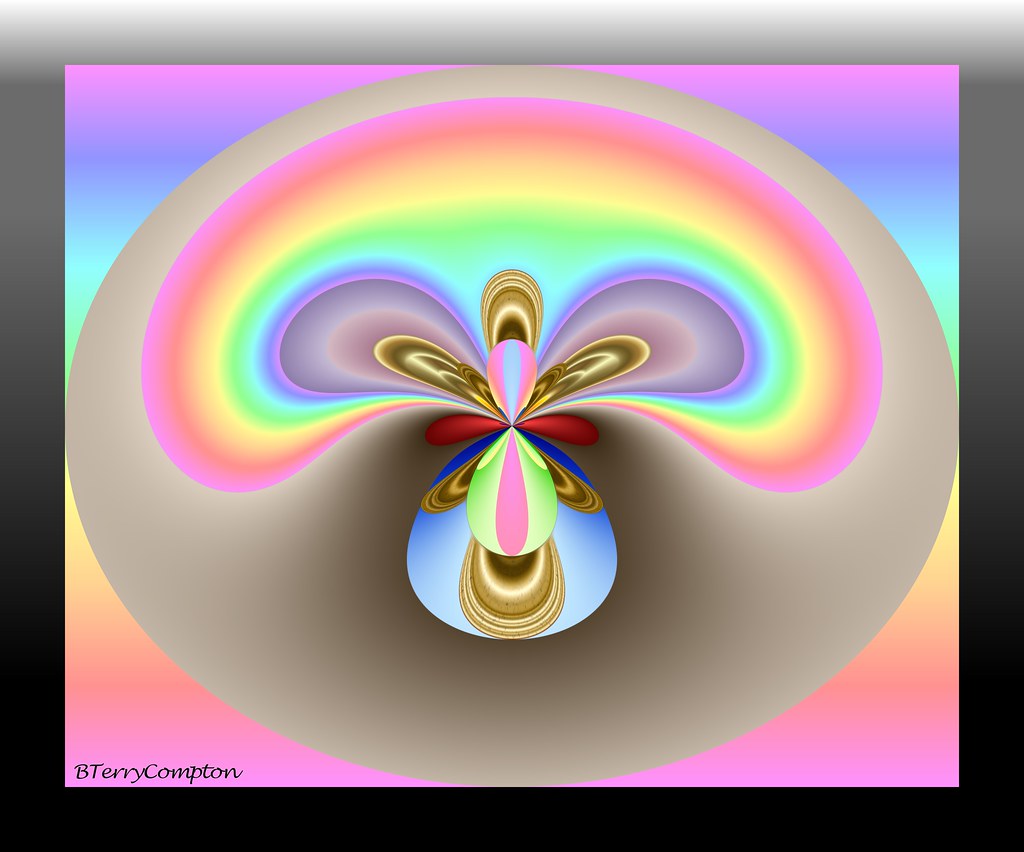
Understanding Art Photography
Art photography is more than just capturing images; it’s about conveying a narrative or emotion through a visual medium. Unlike traditional photography, art photography can be heavily stylized and manipulated, allowing the artist’s vision to shine through. In 2026, this distinction is becoming increasingly pronounced as photographers experiment with various techniques.
What Sets Art Photography Apart?
- Intent: The primary difference lies in the intent behind the photograph. Art photography aims to evoke thought and feeling, often encouraging viewers to interpret the work in a personal context.
- Composition: Art photographers focus on composition, lighting, and subject matter to create visually compelling images that tell a story.
- Post-Processing: Techniques such as digital manipulation and creative editing are more accepted in art photography, allowing for boundless creativity.
Current Trends in Art Photography
In 2026, we are witnessing several key trends in art photography that reflect both technological advancements and shifts in societal values:
1. Mixed Media Approaches
Artists are increasingly blending photography with other art forms, such as painting and digital art. This creates a hybrid experience that challenges traditional boundaries and encourages new interpretations.
2. Environmental Awareness
With the growing concern for climate change, many photographers are focusing on environmental themes, using their work to raise awareness and provoke action. This trend aligns with a global movement towards sustainability.
3. Immersive Experiences
Virtual reality (VR) and augmented reality (AR) are being integrated into art photography, allowing audiences to engage with pieces in ways that were previously unimaginable. This technology creates immersive experiences that offer a new dimension to storytelling.
4. Diversity and Inclusion
2026 marks a significant push towards diversity in the art world. Photographers from varied backgrounds are gaining recognition, bringing unique perspectives that enrich the art photography landscape.
Art Photography Techniques in 2026
Mastering art photography involves a range of techniques that can enhance the storytelling aspect of the medium. Here are some popular methods being employed today:
1. Double Exposure
This technique blends two images into one, creating a dreamlike quality that evokes strong emotions and abstract ideas.
2. Long Exposure
Long exposure photography captures time in a single frame, often creating striking images of movement—perfect for landscape and urban photography.
3. Macro Photography
Macro photography dives deep into the tiny details of subjects, revealing textures and forms that go unnoticed. This technique can bring a new level of intimacy to the viewer’s experience.
4. Film Photography Resurgence
While digital photography dominates, there has been a notable resurgence in film photography, with many artists appreciating its unique qualities and the tactile process involved.
The Impact of Social Media on Art Photography
Social media continues to be a powerhouse that shapes the way art photography is consumed and shared. Platforms like Instagram and Pinterest serve as visual galleries, allowing artists to reach wider audiences.
1. Instant Feedback
Artists receive immediate feedback on their work, which can influence their creative direction and provide motivation.
2. Networking Opportunities
Social media provides networking opportunities that allow photographers to connect with other creatives, engage in collaborations, and gain visibility within the art community.
3. Influencer Culture
The rise of influencers has created a niche for art photography, where aesthetics play a crucial role in branding and marketing. This trend encourages photographers to adopt a more commercial approach in some cases.
Conclusion: The Future of Art Photography
As we look towards the future, art photography in 2026 is marked by innovation, creativity, and a deep commitment to social consciousness. The boundaries of photography are continuously expanding, inviting both artists and viewers to explore new realms of visual expression. The role of art photography as a medium for storytelling, emotional connection, and cultural commentary remains crucial as we continue to navigate our complex world.