Understanding Art Photography as a Visual Language
Art photography transcends mere imaging; it serves as a profound means of communication, expressing emotions and narratives that resonate deeply with viewers. In 2026, the role of art photography has evolved, enabling artists to articulate complex feelings, dilemmas, and experiences through their work. This article dives into the emotional depths of art photography, exploring its significance in today’s visual landscape.
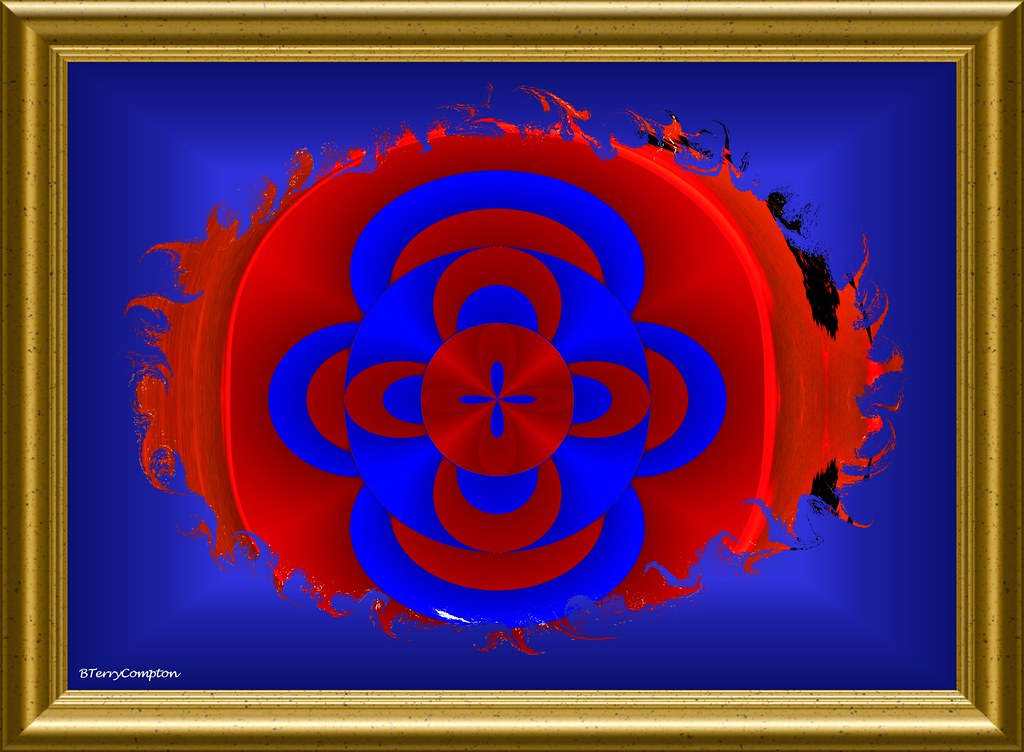
The Emotional Impact of Art Photography
Art photography has the unique power to provoke thoughts and emotions. Unlike traditional photography focused on documentation, art photography invites an interpretative approach. Here are some ways it connects with the viewer’s emotions:
- Visual Storytelling: Every photograph tells a story, whether explicit or subtle. The use of light, shadow, and composition impacts how a narrative unfolds.
- Symbolism and Metaphor: Artists often employ symbols to convey deeper meanings. A single photograph can evoke a myriad of emotional responses based on its context and symbolism.
- Color and Mood: The choice of colors significantly affects the mood of the photograph. Warm colors might evoke feelings of happiness, while cooler tones can create a sense of melancholy.
The Role of Technique in Conveying Emotion
While the emotional impact largely stems from the artist’s intent, the techniques used in photography also play a crucial role in enhancing emotional expression. Here are some techniques that artists use in 2026:
- Long Exposures: Capturing movement through long exposures can create dreamlike images, evoking feelings of nostalgia or longing.
- Depth of Field: By blurring the background, photographers can isolate subjects, focusing attention on the emotional core of the image.
- Contrast and Texture: The interplay of light and shadow adds drama, making the viewer feel the weight of the subject’s emotion.
Art Photography as a Reflection of Societal Emotions
Art photography is not only an individual expression but also a reflection of societal emotions and contexts. In 2026, photographers are leveraging their craft to comment on societal issues, capturing the collective mood of communities:
- Social Commentary: Many artists use photography to address issues such as climate change, social justice, and mental health, capturing raw emotions tied to human experiences.
- The Human Condition: Portraits that depict vulnerability or resilience can create a connection with audiences, prompting them to reflect on their own experiences.
- Challenging Norms: By pushing boundaries, contemporary art photographers challenge societal expectations, leading to discussions about identity, culture, and emotion.
Connecting with Audiences Through Emotion
In 2026, the challenge for art photographers remains: how do they connect deeply with their audiences? Emotional resonance is key. Here’s how they achieve that:
- Creating Inviting Spaces: Many exhibitions now focus on immersive experiences, allowing viewers to engage with art on an emotional level.
- Interactive Art: Engaging the audience through participatory art projects encourages them to connect their own emotions with the work.
- Storytelling through Series: Photographers often create series that explore a particular emotional theme, guiding the viewer through a journey rather than a single image.
The Future of Emotional Resonance in Art Photography
As we move forward in this decade, the role of emotion in art photography will only grow. With advancements in technology and changing societal values, new avenues for emotional exploration will open up:
- AI and Emotion: The integration of artificial intelligence in photography is expected to enhance the capacity for emotional storytelling, helping artists analyze and evoke specific feelings.
- Virtual Reality Experiences: Virtual reality may allow audiences to step inside photographs, creating immersive experiences that foster emotional connections.
- Online Communities: The rise of digital platforms enables artists to share their work and stories widely, facilitating dialogue about emotions tied to recent global events.
Conclusion
In conclusion, art photography in 2026 serves as a vital conduit for emotional expression, allowing artists to connect with audiences on a profound level. By utilizing various techniques and responding to societal contexts, photographers continue to explore the intricate landscape of human emotions, encouraging reflection and dialogue. As we look ahead, the emotional resonance of art photography will remain an essential aspect of its evolution.