The Rise of Art Photography
Art photography has evolved significantly over the years, transcending the traditional boundaries of photography and pushing the limits of creativity. As we find ourselves in 2026, we see a burgeoning interest in this form of art, driven by advancements in technology, artistic expression, and a growing appreciation for visual storytelling.
What is Art Photography?
Art photography is not just about capturing images; it is about conveying emotions, ideas, and narratives through visual means. Unlike commercial photography, which focuses on capturing images for advertisements, catalogs, or other commercial uses, art photography is created primarily for aesthetic purposes and self-expression.
Key Features of Art Photography
- Creativity: Art photography allows photographers to experiment with lighting, composition, and subject matter to create unique and impactful images.
- Conceptualization: Many photographers approach their work with a specific concept or theme in mind, adding layers of meaning to their imagery.
- Emotion: The best art photographs evoke strong feelings, connecting with viewers on a deeper level.
- Aesthetic Appeal: Art photography often prioritizes beauty, exploring different compositions, color palettes, and styles.
Current Trends in Art Photography (2026)
As we move further into 2026, several key trends are shaping the art photography landscape:
1. Digital Manipulation and Mixed Media
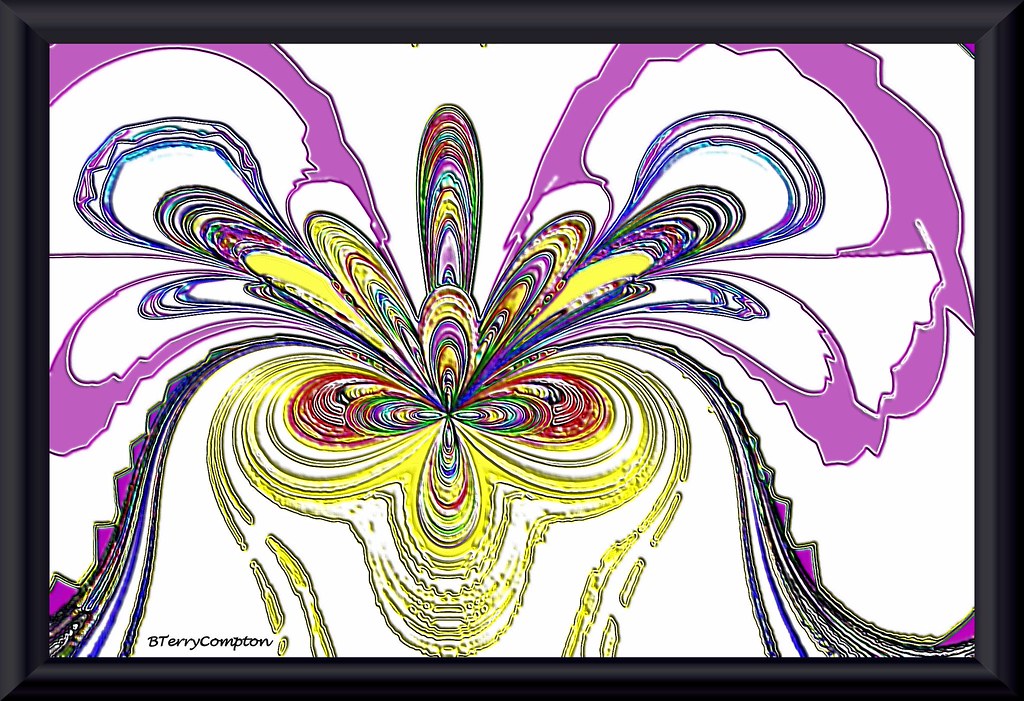
Today’s photographers are increasingly using digital tools to manipulate their images, resulting in striking works that blend photography with graphic design and painting. This approach allows for endless creativity, enabling artists to create surreal and imaginative visuals.
2. Sustainability and Nature Photography
With the growing concern for the environment, many photographers are turning their lenses toward nature. This trend not only captures the beauty of our planet but also serves as a reminder of the urgent need for conservation. Art photography depicting wildlife and natural landscapes continues to resonate with audiences seeking authenticity and connection to nature.
3. Experimental Techniques
Photographers are increasingly adopting unconventional methods, such as long exposures, double exposures, and pinhole photography. These experimental techniques add a layer of intrigue, inviting viewers to explore the stories behind each image.
4. Inclusivity and Diverse Perspectives
The art photography world is becoming more inclusive, with artists from various backgrounds sharing their unique perspectives. This diversity enriches the medium, allowing for a broader representation of experiences and stories.
Techniques to Enhance Your Art Photography
If you’re looking to delve into or improve your art photography, consider these techniques:
1. Master Composition
Understanding compositional techniques, such as the rule of thirds, leading lines, and symmetry, can dramatically enhance the impact of your photographs. Experiment with different angles and viewpoints to discover what resonates best.
2. Play with Light
Light is one of the most critical elements in photography. Experiment with various lighting conditions, such as natural sunlight, artificial light, and shadows, to create mood and depth in your images.
3. Learn Post-Processing
Post-processing can elevate your photographs to professional standards. Familiarize yourself with software like Adobe Lightroom or Photoshop to enhance color, contrast, and details in your images.
4. Develop a Unique Style
Finding your unique voice and style is essential in art photography. Consistently explore themes, subjects, and techniques that resonate with you, allowing your personality to shine through your work.
Finding Inspiration
Inspiration can come from anywhere. Here are some tips to help you find your creative spark:
- Visit Art Galleries and Exhibitions: Immersing yourself in different forms of visual art can stimulate new ideas and techniques.
- Follow Other Photographers: Social media platforms, especially Instagram, are filled with talented photographers. Follow those whose work inspires you.
- Read Books and Watch Documentaries: Learning about the history of photography and contemporary artists can provide insight and inspiration.
- Participate in Workshops: Engaging with fellow photographers at workshops can introduce you to new techniques and perspectives.
Conclusion
Art photography is a dynamic and evolving field that reflects our changing world. As we move through 2026, embracing new technologies and diverse perspectives will continue to enrich this art form. Whether you’re a seasoned professional or an enthusiastic beginner, the world of art photography offers endless possibilities for creativity, expression, and connection.