Introduction to Conceptual Art Photography
In the ever-evolving landscape of art photography, the year 2026 has brought a significant shift towards conceptual approaches that challenge traditional norms. Artists and photographers are increasingly leveraging this medium not just to capture images but to convey profound ideas and narratives. This article explores the emerging trends in conceptual art photography, discussing its significance, techniques, and the impact it has on both viewers and creators.
What is Conceptual Art Photography?
Conceptual art photography transcends mere visual representation. It is an artistic practice where the idea behind the photograph is paramount, often overshadowing the aesthetic appeal of the image itself. This form of photography invites viewers to engage with a deeper message or concept, prompting reflection and discussion.
Key Characteristics of Conceptual Art Photography
- Intention: Each piece is created with a specific idea or message in mind.
- Symbolism: Photographers often use symbols and metaphors to communicate complex thoughts.
- Interactivity: Many artists encourage viewers to interpret their works subjectively, fostering a personal connection with the pieces.
- Multimedia Integration: Combining photography with other art forms, like text or installation art, creates multifaceted experiences.
Current Trends Influencing Conceptual Art Photography in 2026
1. Digital Manipulation and Mixed Media
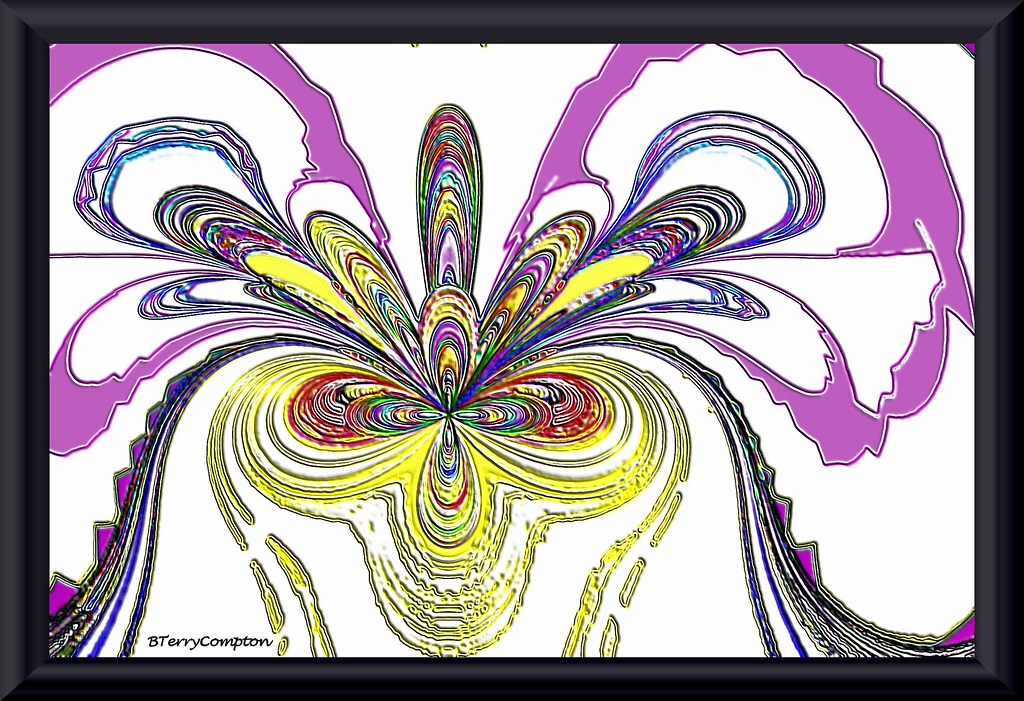
With advancements in technology, digital manipulation has become a staple in conceptual art photography. Artists are experimenting with photo editing software to alter realities, blend images, and create visual narratives that challenge perceptions of truth.
2. Environmental Commentary
Many contemporary photographers are using their art to comment on environmental issues. By weaving ecological themes into their concepts, they raise awareness about climate change, sustainability, and our relationship with nature.
3. Social Issues and Identity
Social justice themes are prominent in many conceptual art photography projects. Artists explore topics such as race, gender, and culture, often drawing from their personal experiences to highlight systemic issues and provoke thought.
4. Interactive Exhibitions
Exhibitions are becoming increasingly interactive, allowing viewers to engage with the art beyond passive observation. This trend encourages dialogue and deepens the impact of conceptual photography.
The Role of Technology in Conceptual Photography
Enhancing Creativity
Technological advancements have empowered photographers to expand their creative boundaries. High-resolution cameras, drones, and augmented reality tools enable artists to present their ideas in innovative ways that were previously unimaginable.
Connecting Globally
The digital landscape allows artists to reach broader audiences through social media and online galleries. This access promotes diverse voices in conceptual art photography, facilitating a rich exchange of ideas and cultural perspectives.
Becoming a Conceptual Art Photographer
1. Cultivating an Idea
Begin with a concept that resonates with you. This may be a personal experience, a social issue, or an abstract idea that you wish to explore through your photography.
2. Research and Exploration
Investigate existing artworks in the conceptual photography realm. Understanding different styles and methodologies can inform and inspire your unique approach.
3. Experimentation
Don’t be afraid to experiment with different techniques, including digital manipulation, mixed media, and installation. Find what enhances your concept and expresses your vision effectively.
4. Presentation
Consider how you will present your work. Engaging displays or multimedia presentations can enhance the viewer’s experience and understanding of your concept.
Conclusion
Conceptual art photography in 2026 is more than just a trend; it is a profound movement that encourages photographers and viewers alike to delve into the depths of meaning and interpretation. By embracing technology, addressing social issues, and fostering interactivity, this genre continues to push the boundaries of what art photography can be. As we move forward, the dialogue between photographers and their audiences will only grow richer, paving the way for new innovations and ideas in the world of art.