Introduction
As we journey through 2026, art photography continues to captivate audiences and artists alike with its unique ability to blend realism with the imaginative realm. This year marks a significant evolution in how photographers approach their craft, utilizing advanced techniques and innovative concepts to create stunning visual narratives. In this article, we will explore the current trends in art photography, the techniques driving these developments, and the deeper meanings behind the images.
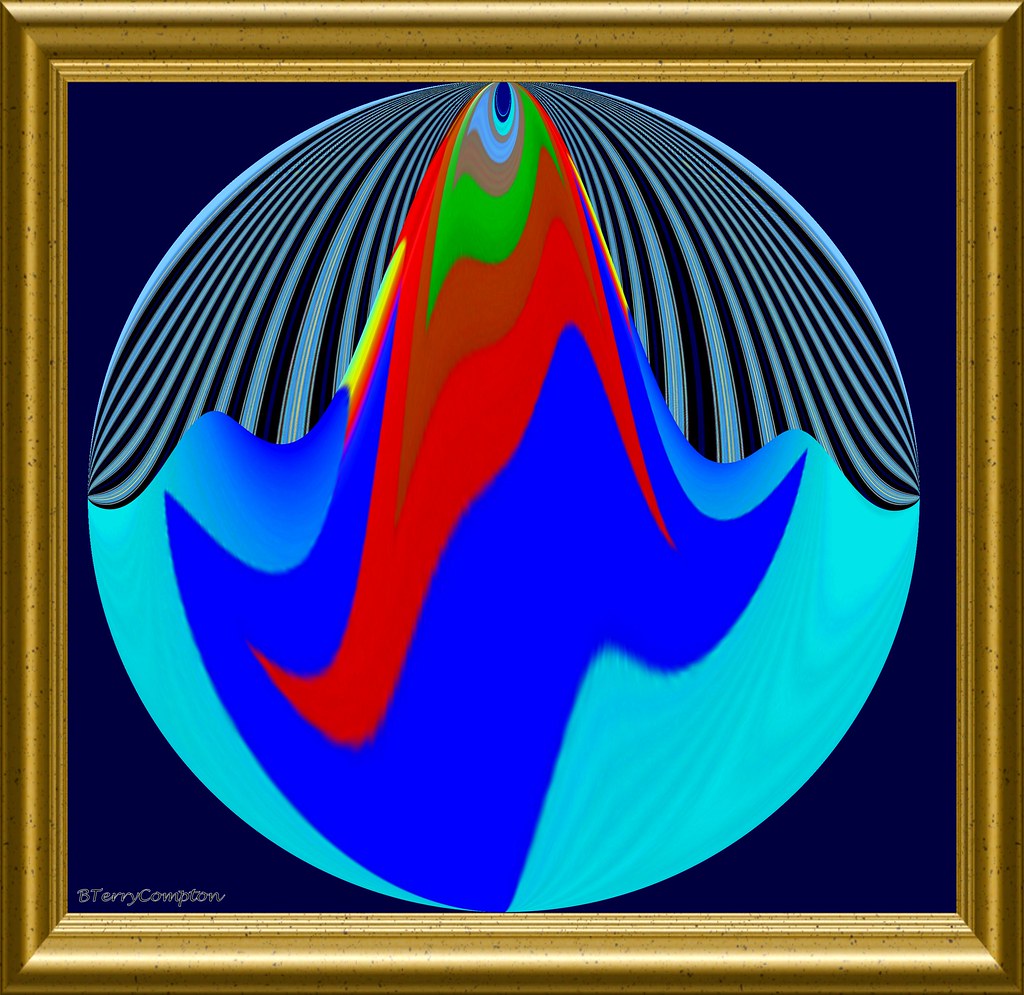
The Current Landscape of Art Photography
Art photography has transformed dramatically over the past few years. In an age where technology plays a pivotal role, photographers are no longer limited by the constraints of traditional methods. Instead, they are embracing digital tools and techniques that push the boundaries of creativity.
Digital Innovation and Artistic Expression
In 2026, we witness an explosion of digital innovation, leading to new forms of artistic expression. Photographers are incorporating augmented reality (AR) and virtual reality (VR) into their works, creating immersive environments that engage viewers on multiple levels. This convergence of technology and artistry allows for an interactive experience that challenges the conventional viewing process.
Trends Shaping Art Photography Today
Several key trends are shaping the art photography landscape in 2026:
- Mixed Media Approaches: Artists frequently combine photography with other mediums, such as painting or sculpture. This fusion creates unique pieces that blur the lines between different art forms.
- Environmental Consciousness: Many photographers are becoming advocates for environmental issues. Their work often highlights climate change, biodiversity, and the beauty of nature, encouraging viewers to reflect on our relationship with the planet.
- Minimalism and Negative Space: A trend towards minimalism has emerged, where photographers use negative space to evoke emotions and draw attention to the subject in new and thought-provoking ways.
- Conceptual Narratives: More artists are infusing their personal stories and societal commentary into their photography, inviting viewers to engage with deeper meanings and interpretations.
Techniques Driving the Artistic Vision
The techniques employed in art photography have grown increasingly sophisticated, allowing artists to express their visions more vividly:
Manipulation and Montage
Photo manipulation has become an essential part of an artist’s toolkit. Techniques such as digital montage allow for the creation of surreal landscapes and dreamlike compositions that challenge the viewer’s perception of reality.
Lighting and Color Psychology
Understanding and manipulating lighting has always been a crucial aspect of photography, but in 2026, photographers are delving deeper into color psychology to evoke specific emotions. The careful selection of color palettes can significantly impact the viewer’s experience and interpretation of an image.
Embracing Natural Elements
More artists are turning to natural elements in their work. By incorporating landscapes, plants, and organic textures, photographers create a raw and authentic connection to their subjects. This trend not only enhances the aesthetic appeal but also invites viewers to appreciate the beauty of the natural world.
The Emotional Resonance of Art Photography
At its core, art photography is about conveying emotion. The most powerful images resonate with viewers, often evoking feelings of nostalgia, joy, or melancholy. In 2026, artists are increasingly focused on the emotional impact of their work, using their platforms to share personal stories and societal reflections.
Cultural Reflections
Art photography serves as a mirror, reflecting the cultures and societies we inhabit. In this age of rapid change, photographers are documenting the nuances of contemporary life, from social issues to personal identity. This documentation becomes a visual dialogue that fosters understanding and empathy.
Personal Narratives
More than ever, photographers are sharing their journeys through their work. Personal narratives give depth to images, allowing viewers to connect with the artist’s experiences, struggles, and triumphs. This intimate connection can transform a simple photograph into a profound piece of art.
Conclusion
As we move forward in 2026, the world of art photography continues to expand and evolve, embracing new technologies and techniques while remaining rooted in the exploration of human emotions. By bridging the gap between realism and imagination, artists are creating compelling visual narratives that resonate on multiple levels. Whether through digital innovation or personal storytelling, the future of art photography promises to engage, inspire, and provoke thought for years to come.