Introduction to Digital Collage
In the ever-evolving landscape of art photography, the digital collage stands out as a unique and captivating genre that has been gaining traction in 2026. Artists today are breaking boundaries, using digital tools to create intricate compositions that blend multiple images into a single piece of art. This innovative approach not only reflects contemporary aesthetics but also addresses deeper themes, making it a significant trend to explore.
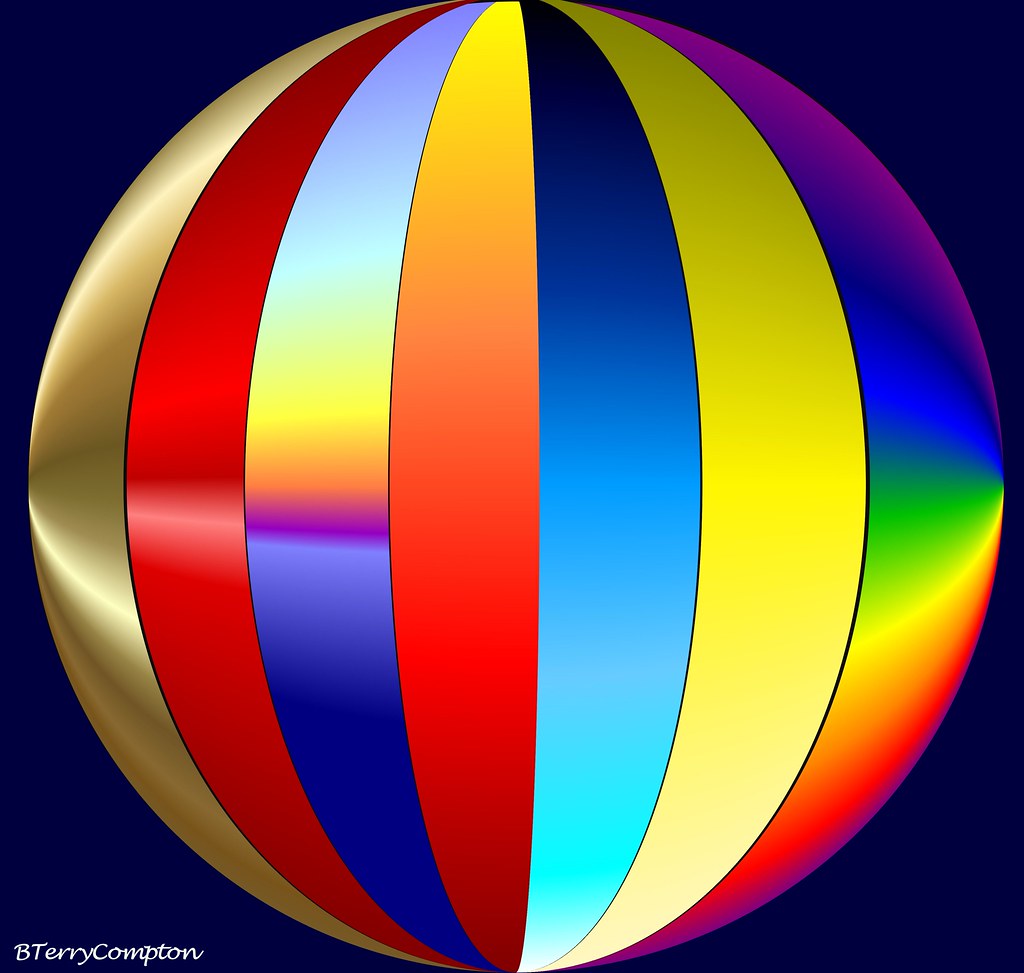
What is Digital Collage?
A digital collage involves combining various digital images or elements to create a cohesive artwork. This technique allows artists to manipulate photographs, graphics, and textures, enabling them to craft visually stunning pieces that convey complex narratives. With the advancement of technology, digital collages can now include video clips and animations, pushing the boundaries of traditional photography.
The Rise of Digital Collage in Recent Years
In recent years, the popularity of digital collage has surged due to several factors:
- Accessible Tools: Software like Adobe Photoshop and various mobile applications have made it easier for both amateurs and professionals to experiment with collage techniques.
- Social Media Influence: Platforms like Instagram and Pinterest have created a space for artists to showcase their work, fostering a community that thrives on visual creativity.
- Cultural Exchange: The global nature of the internet allows for diverse artistic influences to blend, resulting in unique and eclectic styles in digital collaging.
Techniques for Creating Stunning Digital Collages
Creating a digital collage can be an exciting process. Here are some techniques that artists use to enhance their work:
- Layering: By stacking images in various arrangements, artists can create depth and complexity within their collages.
- Color Manipulation: Adjusting hues, saturation, and contrast can unify disparate images, making the final piece feel like a single artwork rather than a collection of separate elements.
- Incorporating Text: Adding words or phrases can provide context or provoke thought, transforming the visual experience into a narrative.
- Texture Overlay: Using textures such as paper, fabric, or digital brushes adds a tactile quality to collages, enhancing their overall appeal.
Inspiration from Contemporary Artists
Many contemporary artists are redefining the bounds of digital collage. Here are a few notable figures to watch in 2026:
- Jenny Holzer: Known for her text-based art, Holzer incorporates digital collage to create powerful statements that challenge viewers.
- Krista Kim: Kim merges photography with digital art to explore themes of mindfulness and digital existence, using vibrant colors and abstract forms.
- Erik Parker: Parker’s works incorporate elements of pop culture, resulting in humorous yet thought-provoking pieces that resonate with a broad audience.
The Role of Digital Collage in Modern Art Movements
Digital collage has begun to play a critical role in various modern art movements:
- Post-Internet Art: As the digital age reshapes communication and perception, artists are using collage to explore the implications of technology on identity and society.
- Environmental Awareness: Some artists are utilizing collages to raise awareness about climate change and sustainability, combining nature photography with urban imagery to illustrate the contrasts.
- Feminist Art: Female artists are using digital collage to express their narratives and challenge societal constructs, often incorporating historical imagery alongside contemporary elements.
How to Get Started with Digital Collage
If you’re interested in diving into the world of digital collage, here are some steps to help you get started:
- Choose Your Software: Select a photo editing or collage-making tool that fits your skill level. Beginners might prefer user-friendly apps, while experienced users may opt for advanced software.
- Gather Inspiration: Explore the works of established artists, browse social media, or join art community forums to gather ideas and inspiration.
- Experiment: Don’t hesitate to play with different techniques. The beauty of digital art is in its flexibility; you can always undo changes!
- Share Your Work: Use social media to share your creations, receive feedback, and connect with other artists. Community engagement can provide motivation and new ideas.
The Future of Digital Collage
As we progress further into 2026, we can anticipate even more innovation in digital collage. With the rise of augmented reality (AR) and virtual reality (VR), artists are likely to explore interactive dimensions of their work, allowing viewers to engage with art in entirely new ways. This evolution promises to enhance storytelling within collages, providing audiences with a more immersive experience.
Conclusion
Digital collage represents a dynamic intersection of technology and creativity, offering artists a platform to express multifaceted narratives. As the genre continues to evolve, its significance in the art world will only grow, influencing future generations of photographers and artists. Whether you’re an aspiring artist or an art enthusiast, embracing the digital collage can open up new avenues of expression and inspiration.