The Evolution of Art Photography
As we stand in 2026, art photography has transcended traditional boundaries, forging a unique space where creative expression and technical prowess meet. This dynamic field has continually evolved, with artists pushing the envelope, exploring new techniques, and integrating innovative technologies that shape how we perceive and create visual stories.
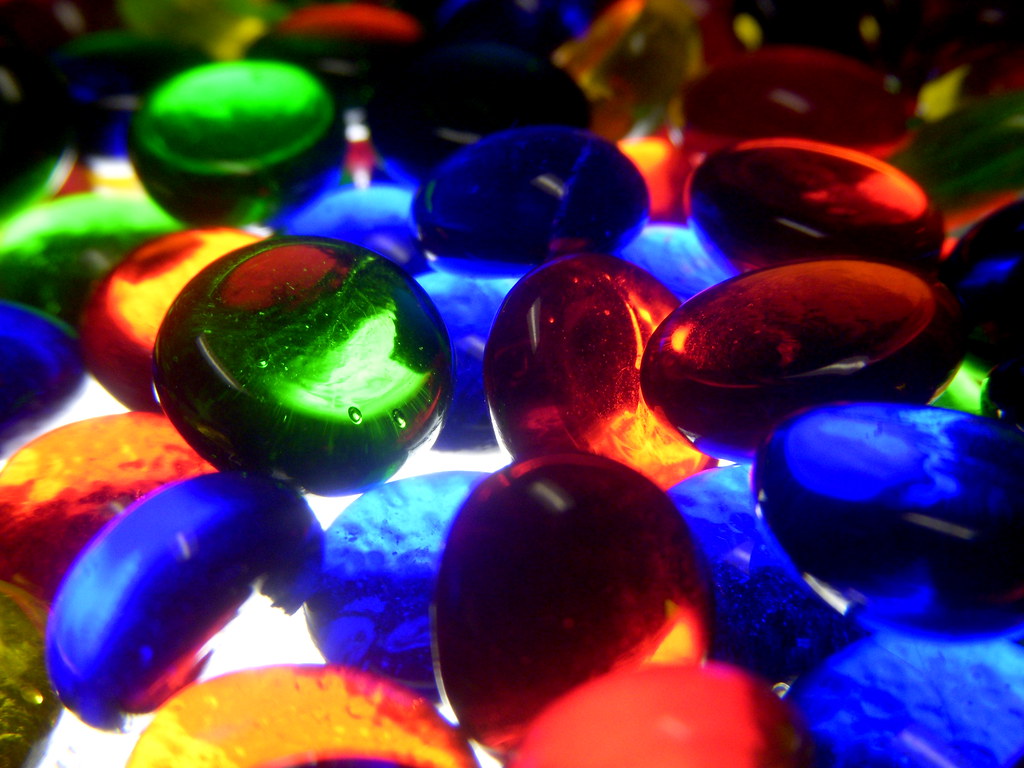
Reimagining Space and Subject
One fascinating trend in art photography today is the reimagining of space and subject matter. Artists are increasingly drawing inspiration from urban landscapes, nature, and abstract concepts, resulting in captivating pieces that offer fresh perspectives.
1. Urban Landscapes
The vibrant colors and textures found in urban environments provide an endless buffet for art photographers. Many artists have begun capturing the interplay between nature and urbanization, illustrating how the two coalesce.
- Graffiti and Street Art: Photographers are documenting the ephemeral nature of street art, preserving a moment in time before it fades or is replaced.
- Architectural Abstracts: By focusing on patterns, lines, and shapes, photographers are crafting stunning images that highlight the beauty in everyday structures.
2. Nature as a Canvas
Nature has always been a central theme in photography, yet artists are delving deeper into its complexities. The 2026 trends showcase a shift towards illuminating obscure aspects of the natural world.
- Micro-Photography: Capturing the details of small subjects, such as insects and plants, reveals a hidden world that is often overlooked.
- Long Exposure Techniques: Artists are using this technique to create ethereal landscapes that depict movement within static scenes.
Technology and Art Photography
The advent of technology has significantly impacted art photography, offering new tools and techniques that revolutionize how photographers create art. In 2026, we see an increased convergence of traditional and digital art forms.
1. AI in Art Creation
Artificial Intelligence has emerged as a powerful ally for photographers, acting as both a creative partner and a practical assistant.
- Image Enhancement: AI tools can analyze and enhance photographs to bring out details and colors that the naked eye may miss.
- Idea Generation: Artists are using AI platforms to generate concepts and compositions, sparking inspiration that leads to innovative projects.
2. Virtual and Augmented Reality
The integration of virtual and augmented reality into art photography is another exciting frontier. Photographers can now create immersive experiences, transporting viewers to different worlds:
- Interactive Displays: Exhibitions featuring AR allow viewers to engage with the art in a multi-dimensional space, making the experience more personal and memorable.
- Virtual Galleries: Digital platforms are enabling artists to showcase their work globally without the constraints of physical space.
Societal Reflections Through Art Photography
Art photography has always held a mirror to society, and in 2026, this trend continues with artists addressing pressing social issues through their work.
1. Environmental Advocacy
With climate change at the forefront of global discourse, photographers are documenting the impacts on our environment. Their work serves not only as art but also as a powerful tool for advocacy.
- Documentary Projects: Artists are creating visual narratives that capture the struggles and resilience of communities facing environmental changes.
- Awareness Campaigns: Collaborations with environmental organizations help elevate the message and reach wider audiences.
2. Cultural Identity and Representation
Art photography is also a means of exploring and expressing cultural identities in a multicultural society. Photographers are using their lenses to focus on personal and collective narratives:
- Personal Storytelling: Many artists use self-portraits and personal experiences to confront issues of identity and belonging.
- Community Collaboration: Engaging with local communities allows for authentic representation and a platform for voices often overlooked.
Conclusion: The Future of Art Photography
As we navigate through 2026, the art photography landscape promises to keep evolving, driven by technological advancements and a deeper understanding of societal narratives. The potential for creativity and expression is limitless as artists continue to challenge norms and inspire with their work. Whether through innovative techniques, poignant messages, or captivating visuals, art photography remains a powerful medium for storytelling and reflection.