Introduction
Art photography has emerged as a pivotal form of creative expression, intertwining technical skill and imaginative vision. In 2026, this genre continues to evolve, pushing boundaries and challenging traditional norms. Artists are exploring new themes and methodologies, leading to a rich tapestry of diverse visual narratives.
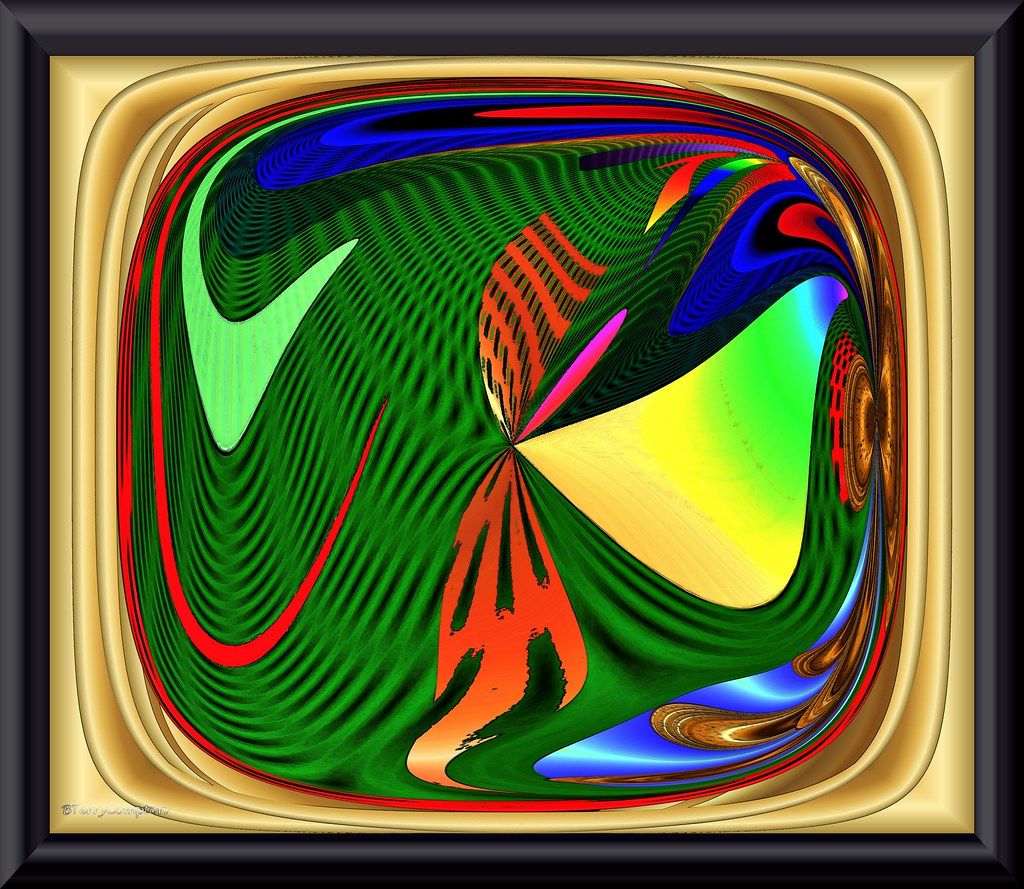
The Shift in Artistic Approach
As we delve into 2026, art photographers are embracing a more inclusive and multifaceted approach to their work. This shift can be attributed to several key factors:
- Interdisciplinary Collaboration: Many photographers are partnering with artists from other disciplines, such as painting, sculpture, and digital media, to create interdisciplinary works that blur the lines between mediums.
- Societal Reflection: The role of photography as a mirror reflecting societal issues has never been more pronounced. Photographers are using their lenses to comment on pressing topics such as climate change, social justice, and cultural identity.
- Audience Engagement: New technologies allow photographers to engage audiences more directly. Through virtual reality (VR) and augmented reality (AR), viewers can experience art photography in immersive ways, transforming the viewer’s role from passive observer to active participant.
Exploring New Themes
In 2026, the themes explored in art photography are as varied as they are profound. Here are some trending themes:
- Identity and Self-Expression: Many photographers are focusing on personal narratives, showcasing the complexities of identity through their work. This theme often incorporates elements of self-portraiture and cultural heritage.
- Nature and Technology: The juxtaposition of the natural world and technological advancements is a recurring theme. Photographers are capturing the interplay between urban environments and nature, often exploring the impact of technology on the environment.
- Surrealism and Fantasy: The realm of surrealism remains a vital trend, with artists creating whimsical and dreamlike imagery that challenges perceptions of reality.
Innovative Techniques and Tools
The tools and techniques used in art photography continue to evolve. Here’s a look at some innovations that have emerged: Also read: ajo89 for more insights.
- Advanced Editing Software: Photographers are utilizing sophisticated editing tools to enhance their images creatively and technically. Software that incorporates artificial intelligence (AI) is gaining popularity, allowing for streamlined workflows and unique editing styles.
- 360-Degree Photography: Capturing 360-degree images is becoming more accessible, enabling photographers to present their work in an immersive format. This technique can create captivating experiences in gallery exhibitions and online platforms.
- Mixed Media Approaches: The integration of photography with painting, collage, and digital art is on the rise, resulting in hybrid artworks that offer fresh perspectives.
The Role of Social Media
Social media platforms continue to play a vital role in the dissemination and appreciation of art photography. The following trends are notable:
- Curated Feeds: Artists are creating carefully curated Instagram feeds that serve as virtual galleries, allowing followers to explore their work in a cohesive way.
- Community Building: Social media fosters communities around shared interests in photography. Artists are connecting with each other, engaging in discussions, and collaborating on projects, which strengthens the art photography community.
- Instant Feedback: Photographers receive immediate feedback on their work from followers, which can influence their artistic direction and provide validation.
Challenges Faced by Art Photographers
While the art photography landscape is rich with opportunities, several challenges persist:
- Market Saturation: With the rise of easily accessible photography tools, competition is fierce. Photographers must continually innovate to stand out in a crowded market.
- Copyright Issues: As images circulate online, copyright infringement remains a significant concern. Artists must navigate the complexities of protecting their work in the digital age.
- Maintaining Authenticity: In a world filled with filters and digital alterations, photographers strive to maintain authenticity in their work, ensuring that their artistic vision aligns with their personal values.
Conclusion
As we progress further into 2026, art photography continues to redefine itself, embracing new themes, techniques, and technologies. The genre remains a powerful medium for self-expression and social commentary, reflecting the fluid nature of contemporary culture. For aspiring photographers and seasoned artists alike, this year offers boundless opportunities to push boundaries and explore the limitless possibilities of art photography.