Introduction
In the vibrant world of art photography, creativity reigns supreme. As we move through 2026, the role of artistic vision has never been more pivotal in shaping compelling photographs that resonate with audiences on multiple levels. This article delves into the profound impact of creativity in art photography, exploring how photographers harness their unique perspectives to create evocative images that challenge the ordinary.
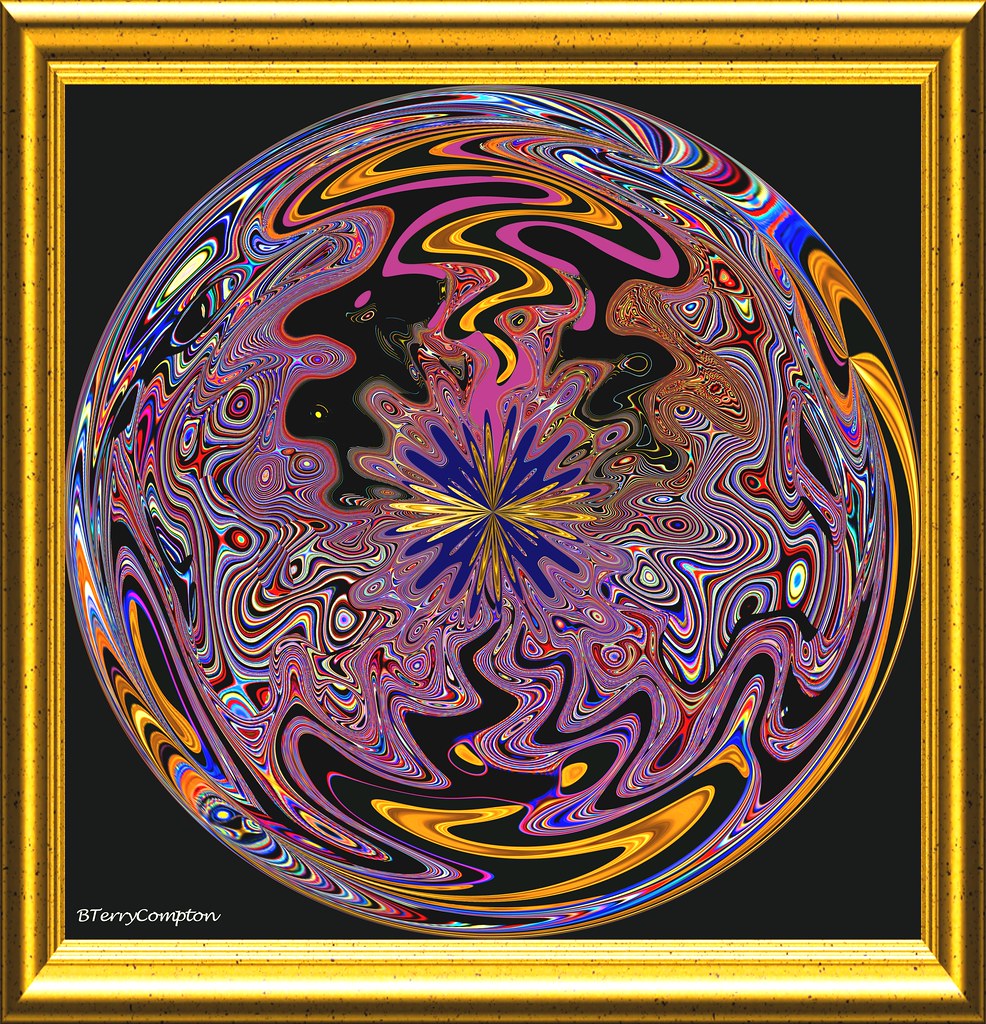
The Essence of Artistic Vision
Artistic vision in photography is not just about capturing a scene; it’s about conveying a message, a feeling, or a narrative through the lens. Here are some key aspects of artistic vision:
- Personal Expression: Every photographer brings their unique viewpoint influenced by their experiences, culture, and emotions. This personal touch elevates their work beyond simple documentation.
- Conceptual Framework: A strong artistic vision revolves around a central concept or theme. This clarity of purpose guides the composition, lighting, and subject matter.
- Challenging Perspectives: Artistic photographers often push boundaries, encouraging viewers to see familiar scenes in new and unexpected ways.
The Influence of Contemporary Trends
The art photography landscape in 2026 is shaped significantly by contemporary trends that reflect societal changes and technological advancements. Some notable trends include:
- Social Commentary: Many photographers are using their platforms to address pressing social issues, merging art with activism to provoke thought and discussion.
- Mixed Media Approaches: Integrating digital art, painting, or sculpture with photography opens new avenues for creative expression, allowing for multi-layered narratives.
- Emphasis on Authenticity: As audiences seek genuine connections, photographers are prioritizing raw and unfiltered representations of their subjects, often embracing imperfections.
Crafting a Unique Visual Language
Establishing a distinctive visual language is crucial for any artist. Photographers can develop their style through the following methods:
- Experimentation: Trying out different techniques, from long exposures to creative editing, can lead to unexpected results that resonate with a photographer’s vision.
- Signature Color Palettes: Consistency in color usage can help create a recognizable style that audiences can connect with emotionally.
- Subject Matter Selection: Choosing subjects that align with personal interests or societal issues can result in a body of work that is both engaging and meaningful.
The Role of Emotion in Art Photography
Emotion plays a central role in art photography. The ability to evoke feelings through imagery is what often distinguishes art from mere documentation. Photographers achieve this by:
- Capturing Fleeting Moments: The magic of photography lies in its ability to freeze time, turning ephemeral instances into lasting art.
- Using Lighting Strategically: Different lighting conditions can dramatically alter the mood of a photograph, influencing how viewers perceive the subject.
- Creating Connection: By focusing on relatable human experiences or profound themes, photographers can foster emotional connections between their artwork and the audience.
Lessons from Notable Art Photographers
Throughout the years, many photographers have pushed the boundaries of art photography, serving as inspirations for budding artists. Some key lessons include:
- Andreas Gursky: Known for his large-scale, detailed images, Gursky teaches us about the power of scale and composition in creating impactful work.
- Sandy Skoglund: Her surrealist scenes remind us of the importance of imagination and staging in storytelling through photography.
- Rineke Dijkstra: Through her poignant portraits, Dijkstra highlights the significance of vulnerability and authenticity in capturing the human experience.
Finding Your Footing in the Art Photography World
For aspiring photographers, navigating the art photography world can seem daunting. However, embracing your individuality can pave the way to success. Here are some tips to consider:
- Build a Portfolio: Curate a selection of your best work that showcases your unique style and vision.
- Engage with Communities: Joining online forums or local photography groups can provide invaluable feedback and support.
- Stay Informed: Keeping up with current trends, techniques, and influential artists can inspire your creative journey.
Conclusion
In 2026, the fusion of artistic vision and photography presents an exciting frontier for both seasoned professionals and emerging talents. By harnessing creativity, emotion, and a distinctive approach, photographers can continue to push boundaries and redefine what art photography means. Whether you’re capturing a fleeting moment or constructing elaborate tableaux, the essence of your artistic vision will shine through, connecting you with viewers in profoundly meaningful ways.