Introduction
In the ever-evolving landscape of art photography, the intersection of traditional techniques and contemporary technology has created a vibrant canvas for creative expression. As we navigate through 2026, the ways in which artists utilize digital tools, artificial intelligence, and innovative techniques are not only reshaping their creative processes but also redefining the viewer’s experience. This article explores how the fusion of art photography and technology is revolutionizing the art world, inspiring new narratives, and engaging audiences on multiple levels.
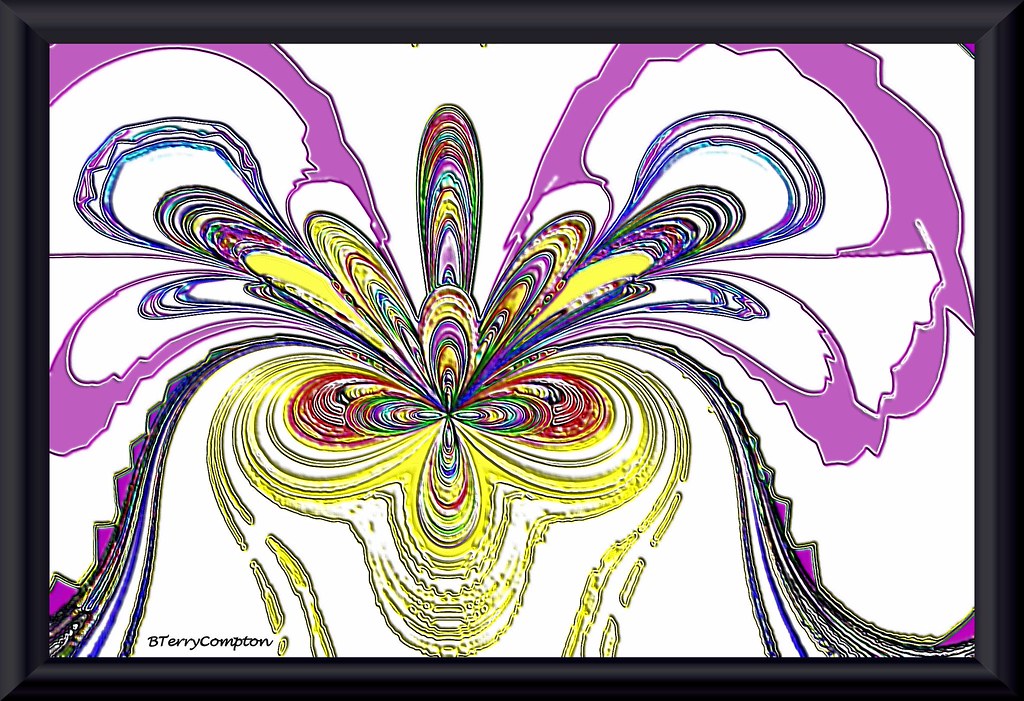
The Rise of Digital Art Photography
Digital photography has been a game changer, offering artists an unprecedented level of flexibility and creativity. In 2026, this trend continues to gain momentum as artists embrace:
- High-Resolution Imaging: Today’s cameras can capture stunning detail, allowing photographers to produce larger prints without compromising quality.
- Editing Software: Advanced software like Adobe Photoshop and Lightroom enables artists to manipulate images in ways that were unimaginable a decade ago.
- Creative Filters: With numerous apps available, photographers can apply unique filters and effects that transform their images into stunning visual statements.
Artificial Intelligence: A Collaborator in Creativity
As artificial intelligence continues to develop, it has found a unique place within the realm of art photography. In 2026, AI tools are assisting photographers in several ways:
- Image Recognition: AI algorithms can analyze hundreds of images to help artists identify patterns, colors, and compositions that resonate with audiences.
- Automated Editing: AI-powered editing tools can streamline workflows, allowing photographers to spend more time on creative tasks rather than mundane edits.
- Generative Art: Some artists are leveraging AI to create entirely new works, blurring the lines between human and machine creativity.
Virtual and Augmented Reality: New Dimensions of Engagement
Virtual reality (VR) and augmented reality (AR) are not just buzzwords; they are reshaping how audiences experience art photography. In 2026, artists are increasingly incorporating these technologies to enhance viewer engagement:
- Immersive Exhibitions: VR technology allows viewers to step inside the photographer’s world, experiencing landscapes and moments as if they were physically present.
- Augmented Reality Installations: By integrating AR, photographers can add layers of information and interactivity to their works, providing deeper insights into their creative processes.
Sustainability in Art Photography
As awareness of environmental issues grows, so does the responsibility of artists to adopt sustainable practices. In 2026, eco-conscious photography is on the rise:
- Eco-Friendly Materials: Photographers are opting for sustainable printing papers and inks, reducing their environmental footprint.
- Digital Exhibitions: By showcasing works online instead of through traditional galleries, photographers can reach wider audiences while minimizing travel and physical resource consumption.
- Ethical Subject Matter: Many artists are choosing to highlight themes of sustainability and nature preservation in their works, prompting conversations around these critical issues.
Art Photography as a Medium for Connection
In a world that often feels increasingly divided, art photography in 2026 is serving as a bridge for connection. Through shared themes and experiences, photographers are fostering conversations around:
- Social Justice: Many photographers use their art to document and address social issues, sparking dialogue and raising awareness.
- Cultural Exchange: Art photography is nurturing a sense of global community, allowing artists to share their unique perspectives and experiences with diverse audiences.
Conclusion
The harmonious blend of art photography and technology in 2026 is creating a rich tapestry of creativity and innovation. As artists continue to push boundaries and explore new mediums, the future of art photography looks vibrant and promising. By embracing these advancements while remaining grounded in core artistic principles, photographers can create compelling narratives that resonate with audiences and foster meaningful connections. The journey of art photography is not just about capturing images; it’s about illuminating the human experience in all its complexity.