Understanding Composition in Art Photography
Composition is a fundamental aspect of art photography that has evolved significantly over the years. In 2026, photographers are not only focused on the physical arrangement of elements in their frames but also on the conceptual frameworks that guide their creative process.
The Importance of Composition
Effective composition can make or break a photograph. It draws the viewer’s eye and conveys emotions, messages, and stories. Key components of composition include:
- Framing: Using elements within the scene to create a ‘frame’ around the subject.
- Rule of Thirds: Dividing the image into thirds to create balance.
- Leading Lines: Using natural lines to lead the viewer’s eye through the image.
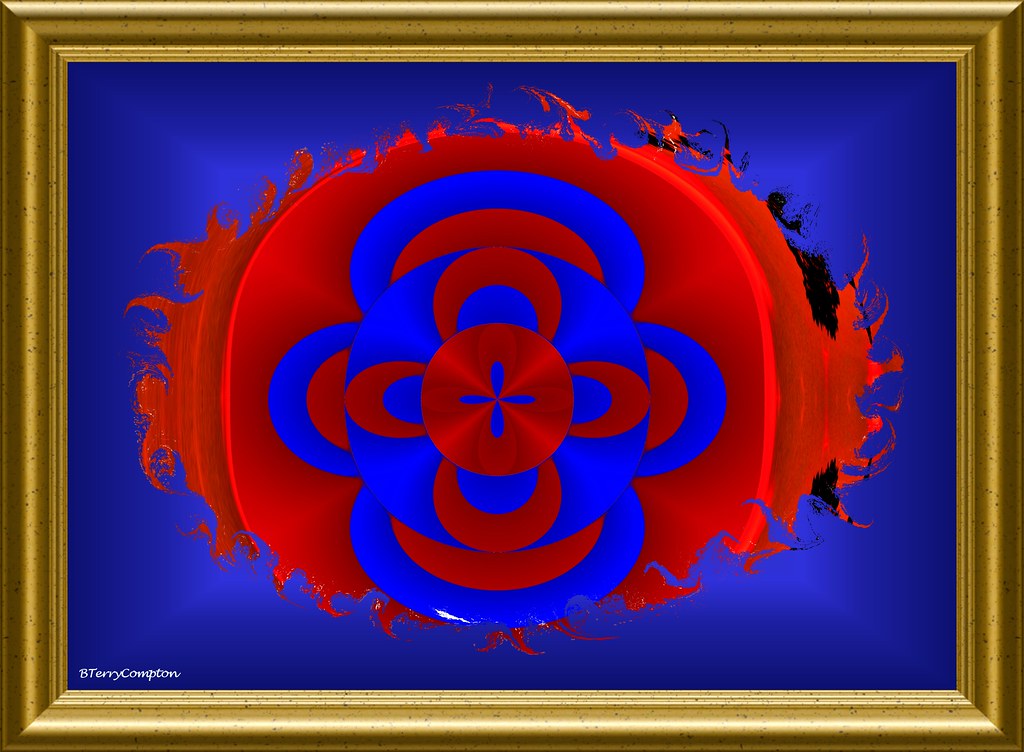
- Patterns and Symmetry: Incorporating repetitive elements for visual interest.
- Depth: Creating layers within an image to enhance dimensionality.
Traditional vs. Modern Composition Techniques
While traditional composition rules provide a solid foundation, 2026 has seen a shift towards more unconventional approaches:
- Breaking the Rules: Many contemporary artists are opting to break established rules to create more striking and individualistic compositions.
- Dynamic Movement: The incorporation of motion within the frame has become a compelling way to engage viewers.
- Negative Space: Utilizing empty space strategically has gained popularity, allowing subjects to resonate more with the audience.
The Role of Cultural Influences
Composition is also heavily influenced by cultural contexts. In 2026, global connectivity has resulted in a fusion of different cultural perspectives:
- Cross-Cultural Elements: Photographers are integrating elements from various cultures, offering a more diverse compositional outlook.
- Historical References: Many artists are drawing inspiration from classical art movements, melding historical techniques with modern aesthetics.
Trends Shaping Composition in 2026
Several key trends are currently shaping composition in art photography:
- Minimalism: The rise of minimalism emphasizes simplicity and focuses closely on few elements to create powerful images.
- Multi-Layered Compositions: Artists are exploring complex compositions that integrate multiple layers, encouraging viewers to discover new details upon repeated viewing.
Future Directions in Composition
As we move further into 2026, the future of composition in art photography promises even more exciting developments:
- Interactive Elements: With advancements in technology, art photographers may experiment with interactive elements in their compositions, inviting viewers to engage directly with the imagery.
- Virtual Reality: As virtual reality becomes more mainstream, the concept of composition could expand to encompass immersive environments, redefining how we understand photographic space.
Final Thoughts
The evolution of composition in art photography reflects broader changes in society, culture, and technology. As photographers continue to push boundaries and explore new creative avenues, the art of composition will undoubtedly evolve, offering fresh perspectives and captivating experiences for viewers. Embracing both traditional techniques and innovative approaches will enable artists to craft images that resonate deeply and provoke thought in this dynamic landscape of art photography.