Introduction
In the ever-evolving world of art photography, the year 2026 has ushered in a wave of innovative techniques that challenge conventional aesthetics and push the boundaries of creative expression. As photographers strive to capture the essence of our rapidly changing world, they are increasingly turning to unique styles and methods that elevate the art form. This article delves into the most exciting techniques presently shaping the landscape of art photography.
Embracing Hybrid Techniques
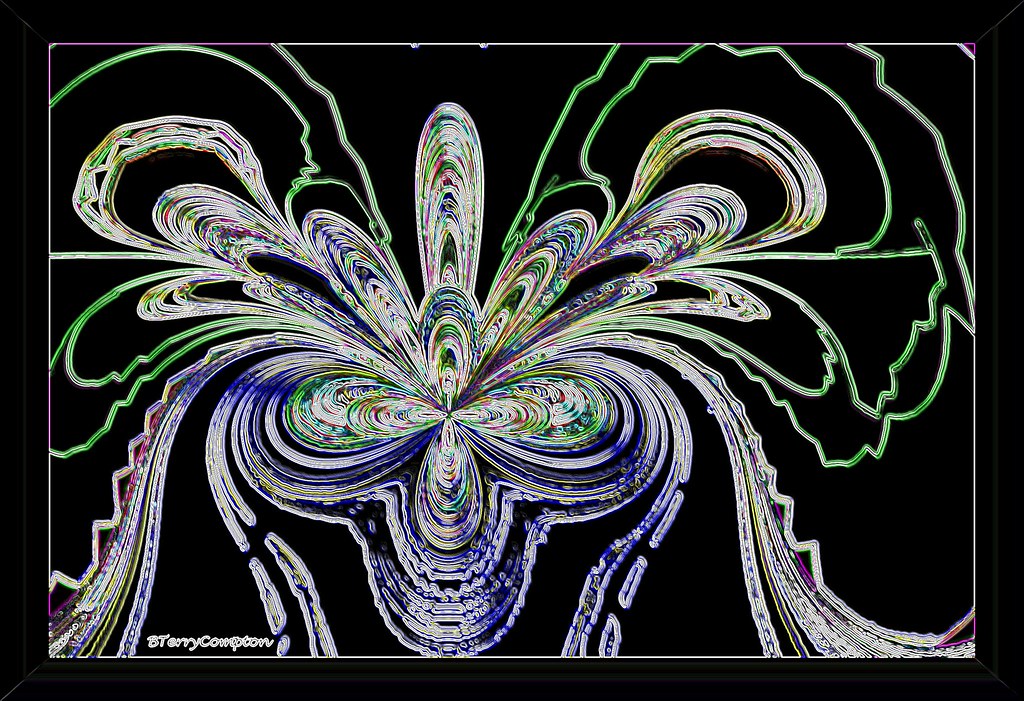
One of the most noteworthy trends in art photography is the blending of various genres and mediums. Photographers are experimenting with hybrid techniques that incorporate elements from painting, digital manipulation, and traditional photography. This fusion not only broadens the creative palette but also creates mesmerizing visual narratives.
The Art of Double Exposure
Double exposure remains a powerful tool in creating striking images that convey multiple layers of meaning. By superimposing two photographs, artists can tell stories that resonate on different levels. In 2026, this technique has seen a resurgence, with modern photographers employing digital software to enhance their compositions. The integration of textures, colors, and subject matter leads to visually arresting pieces that invite viewers to interpret them in myriad ways.
Mixed Media Approaches
Mixing traditional photography with other art forms, such as painting or collage, has gained popularity among contemporary photographers. These mixed media pieces often incorporate materials like ink, paint, and found objects, providing tactile depth to the visual presentation. Artists can now choose to document their work through various stages, offering a glimpse into their creative process.
Exploring Minimalism and Abstraction
In a world filled with visual noise, minimalism has carved its niche in art photography as a means to convey profound messages through simplicity. The focus on essential elements allows both the photographer and the viewer to engage more deeply with the artwork.
The Power of Negative Space
By utilizing negative space, photographers draw attention to their subjects in a striking way. This technique can evoke a sense of solitude or contemplation, making the viewer acutely aware of the surrounding environment. In 2026, many artists are embracing this approach to explore themes of isolation and connection in an increasingly digital world.
Abstract Composition
Abstract photography continues to captivate audiences, allowing artists to transcend the limitations of literal representation. By focusing on textures, patterns, and forms, photographers can create images that evoke emotion and thought without relying on recognizable subjects. This exploration of abstraction invites viewers to project their interpretations onto the work, enhancing personal engagement. Also read: gan89 for more insights.
Utilizing Advanced Technology
As technology advances, so too does the potential for artistic expression in photography. In 2026, photographers are leveraging cutting-edge tools and techniques to create stunning works of art.
AI-Driven Creativity
Artificial Intelligence has become a significant player in the creative process. From generating unique visual styles to assisting with post-processing, AI offers new possibilities for photographers. Many artists are using AI algorithms to analyze their work and provide suggestions for enhancing compositions, enabling them to push their creativity even further.
Virtual Reality and 360-Degree Photography
The emergence of virtual reality (VR) has transformed how artists present their work. By creating immersive environments, photographers can allow viewers to step directly into their artistic visions. 360-degree photography is gaining traction, providing audiences with a more intimate experience that traditional frames cannot offer. This technology encourages interactivity, allowing viewers to explore every angle of a scene.
Environmental and Social Themes
As global issues become increasingly urgent, many art photographers are choosing to focus on environmental and social themes in their work. This shift reflects a growing awareness of the impact of humanity on the planet and the importance of sharing these narratives through a visual medium.
Documenting Climate Change
Art photography is being used as a powerful tool to raise awareness about climate change. Photographers are capturing stunning landscapes, wildlife, and the effects of human activity on the environment. By showcasing these themes, artists hope to inspire action and prompt conversations about sustainability.
Highlighting Social Justice
Art photography also plays a critical role in highlighting social issues. Many photographers are using their platforms to address topics such as inequality, displacement, and human rights. By focusing on these narratives, they aim to create empathy and understanding, sparking discussions that can lead to change.
Conclusion
The art photography landscape of 2026 is marked by innovation, creativity, and a deep commitment to exploring meaningful themes. As photographers continue to experiment with hybrid techniques, embrace minimalism, leverage advanced technology, and highlight crucial social issues, they redefine the possibilities of visual storytelling. The future of art photography is bright, and we can only anticipate how these trends will shape the industry in the coming years.