The Essence of Art Photography in 2026
As we navigate through 2026, art photography continues to evolve, becoming a potent medium that reflects societal values, challenges, and innovations. This year, photographers are not only capturing images but also telling compelling stories that resonate with audiences worldwide. Let’s explore the various trends shaping art photography today.
Current Trends in Art Photography
The landscape of art photography is vibrant and changing, influenced by various factors including cultural shifts, technological advancements, and emerging social movements. Here are some of the most notable trends:
- Social Commentary: Photographers are using their work to address critical issues such as climate change, social justice, and inequality. This trend encourages viewers to engage in dialogue and fosters a deeper understanding of societal challenges.
- Emphasis on Diversity: Inclusivity in representation is increasingly important. Art photography is now a platform where marginalized voices and perspectives are amplified, offering a richer tapestry of human experience.
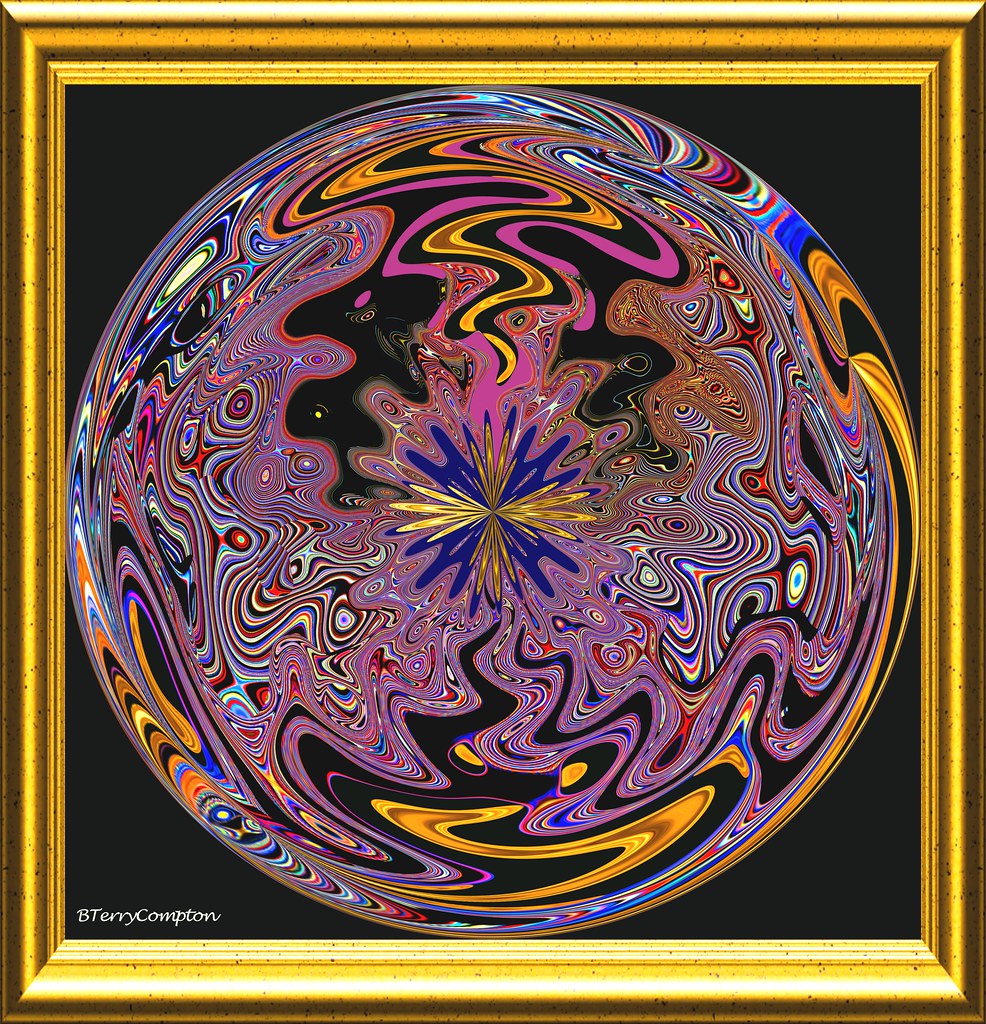
- Mixed Media Approaches: Artists are blending photography with other forms of art, such as painting and digital manipulation, to create unique visual narratives that challenge conventional boundaries.
- Environmental Awareness: Eco-consciousness among photographers is rising. Many artists are utilizing sustainable practices and highlighting environmental issues through their work, encouraging viewers to consider their impact on the planet.
- Interactive Experiences: With technological advancements, art photography is becoming more interactive. Exhibitions now often include augmented reality elements, allowing viewers to engage with the artwork on a deeper level.
Art Photography as a Tool for Change
Art photography serves not only as a visual experience but also as a powerful tool for advocacy. Many contemporary photographers are committed to using their work to advocate for social change. By documenting movements and highlighting injustices, they inspire action and awareness.
For instance, projects that focus on climate change often depict the stark realities of environmental degradation, driving home the urgency of the issue. Similarly, portrait series that showcase marginalized communities can help to humanize their struggles and triumphs, leading to greater empathy.
Case Studies in Powerful Art Photography
Several notable photographers have successfully employed their art as a means of social and environmental commentary:
- Rania Matar: Known for her intimate portraits of women and girls, Matar’s work emphasizes the importance of female empowerment and identity across cultures.
- Edward Burtynsky: His large-scale photographs focus on the impact of industrialization on the environment, creating visceral connections to the consequences of human actions.
- Zanele Muholi: A visual activist, Muholi’s work centers on the lives of black LGBTQ+ individuals in South Africa, capturing their narratives and challenging societal norms.
The Role of Digital Platforms in Art Photography
In 2026, digital platforms play a pivotal role in how art photography is consumed and interacted with. Social media channels like Instagram and TikTok are not just platforms for sharing images; they have become essential for marketing and building an artist’s brand.
Artists are harnessing these platforms to reach broader audiences and engage with followers directly, allowing them to share their creative processes and insights. This increased accessibility has transformed the relationship between the artist and the viewer, fostering a more personal connection.
Building an Online Presence
For emerging photographers, creating a strong online presence is crucial. Here are some strategies:
- Consistent Posting: Regularly sharing new content keeps your audience engaged and showcases your evolving skills.
- Utilizing Stories and Reels: These interactive features allow you to present behind-the-scenes content, making your work relatable and engaging.
- Networking with Other Artists: Collaborating with fellow artists can expand your reach and introduce you to new audiences.
Conclusion: The Continued Relevance of Art Photography
The world of art photography is more dynamic than ever in 2026. As a medium that reflects societal issues, fosters inclusion, and evolves with technology, it remains a vital form of expression. Photographers today are not just capturing images; they are crafting narratives that provoke thought and inspire change. Whether through social commentary or innovative presentation, the art photography landscape is set to continue its influential role in shaping culture and conversation for years to come.