What is Art Photography?
Art photography is more than just capturing images; it is about conveying emotions, ideas, and narratives through visual means. Unlike commercial photography, which focuses on practical or promotional aspects, art photography elevates the medium to an expressive form, allowing artists to explore complex themes and emotions. As we delve into the emotional spectrum of art photography in 2026, we will examine its significance and how it captures the essence of human experience.
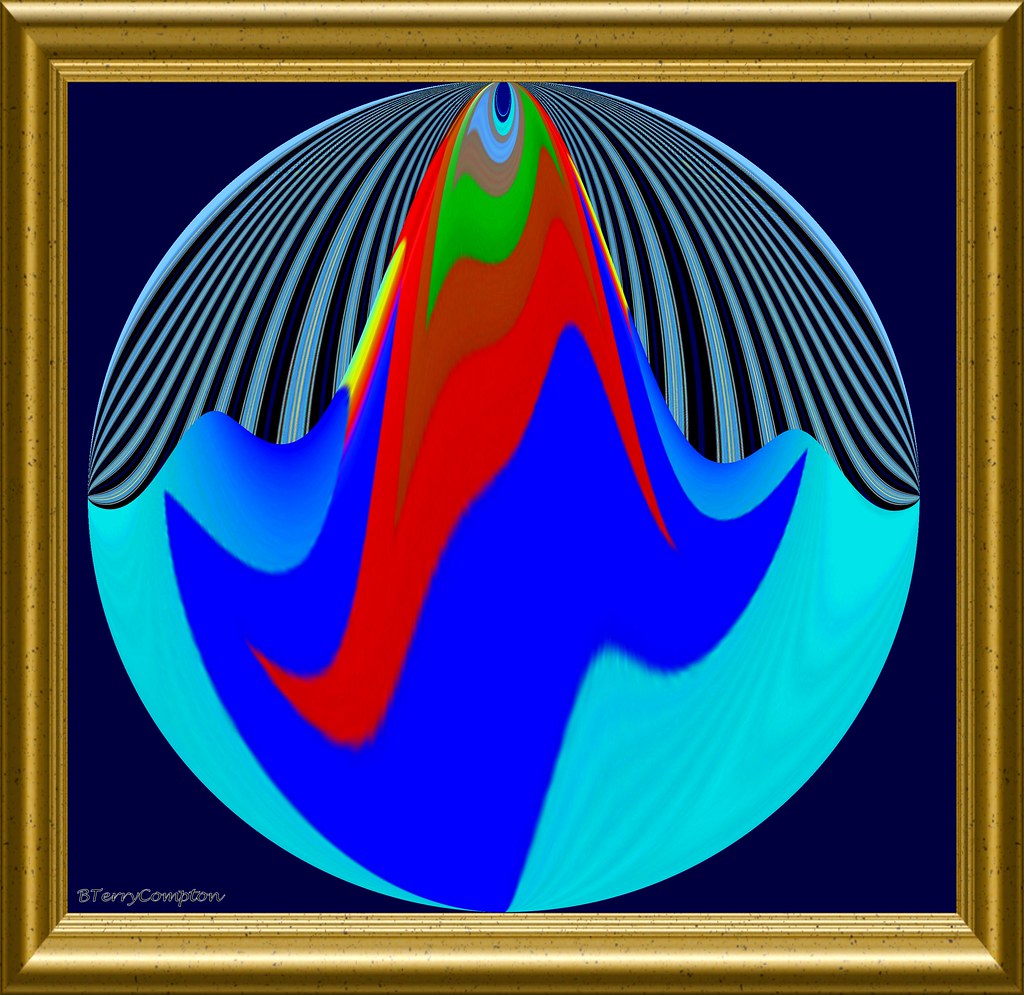
The Emotional Spectrum in Art Photography
In 2026, art photography plays a crucial role in reflecting emotions that resonate with viewers. Here are some vital elements that contribute to the emotional depth of art photography:
- Color and Tone: The choice of color significantly influences the mood of a photograph. Warm tones can evoke feelings of comfort and nostalgia, while cooler tones may suggest melancholy or detachment.
- Composition: The way elements are arranged in a photograph can create tension or harmony. For instance, using negative space can emphasize loneliness, while dynamic angles can suggest movement and energy.
- Subject Matter: The choice of subjects—whether landscapes, portraits, or still life—affects the emotional resonance of the work. Personal stories often find a voice through the subjects captured by art photographers.
- Lighting: Lighting can dramatically alter the perception of an image. Soft, diffused light can create an ethereal quality, while harsh shadows can evoke a sense of drama or uncertainty.
Capturing Human Experience
Art photographers are masterful in portraying the spectrum of human emotions. Here are some approaches they take:
- Portraiture: Portrait photography has long been a compelling way to express individual stories and emotions. In 2026, photographers explore themes of identity, vulnerability, and connection through powerful portraits that invite viewers to engage with the subject’s experience.
- Documentary Style: Many artists adopt a documentary approach, capturing candid moments that tell stories of resilience, struggle, and triumph. These images often provoke thought and evoke empathy.
- Abstract Photography: By moving away from literal representation, abstract photography challenges viewers to interpret emotions through shapes, forms, and textures. This style invites personal reflection and interpretation, fostering a deeper emotional connection.
The Impact of Social Media
As we progress through 2026, social media continues to shape the landscape of art photography. Platforms like Instagram and TikTok allow photographers to share their work with a global audience, providing a space for dialogue around the emotional aspects of their art.
Creating Communities
Social media has transformed how art photographers connect with each other and their audiences. Here’s how:
- Instant Feedback: The immediacy of social media allows artists to receive real-time feedback on their work, fostering a sense of community and collaboration among photographers.
- Sharing Stories: Captions and hashtags provide context to images, enabling photographers to share the emotional narratives behind their art, thus building a more profound connection with viewers.
- Diversity of Voices: Social media platforms have democratized art photography, giving space to diverse voices that explore unique emotional experiences that might have been overlooked in traditional galleries.
Exploring New Techniques
As technology advances, so do the techniques available to art photographers, allowing them to capture emotions in innovative ways.
- Digital Manipulation: Many artists use photo editing software to enhance emotional aspects, manipulate colors, or create surreal environments that amplify the feelings they wish to convey.
- Mixed Media: Integrating other forms of art—like painting or collage—into photography creates hybrid works that can evoke a more complex emotional response.
- Virtual Reality: Emerging technologies are enabling photographers to create immersive experiences, allowing viewers to engage with the emotional content of an image in a much more personal and profound way.
Conclusion: The Future of Art Photography as Emotional Expression
As we navigate the ever-evolving landscape of art photography in 2026, its role in emotional expression cannot be overstated. With the interplay between technology and creativity, coupled with the powerful narratives that resonate with human experience, art photographers are not just capturing images; they are opening dialogues and inviting us to experience the world through a lens of empathy and connection. In a time when the need for emotional resonance is more vital than ever, art photography stands as a potent medium to explore and understand the complexities of human emotion.