The Changing Landscape of Art Photography Techniques
As we move further into 2026, the world of art photography continues to transform, driven by technological advancements, evolving artistic philosophies, and the ever-changing tastes of audiences. This article explores the evolution of art photography techniques that are shaping contemporary practices and offers insights for both established and emerging photographers.
Understanding the Foundations of Art Photography
Art photography is defined not only by its aesthetic quality but also by its intent to convey complex emotions and narratives. Unlike traditional photography, which primarily focuses on capturing reality, art photography allows for a degree of abstraction and personal expression. This foundation establishes the framework for the innovative techniques we see emerging today.
1. Digital Manipulation and Post-Processing
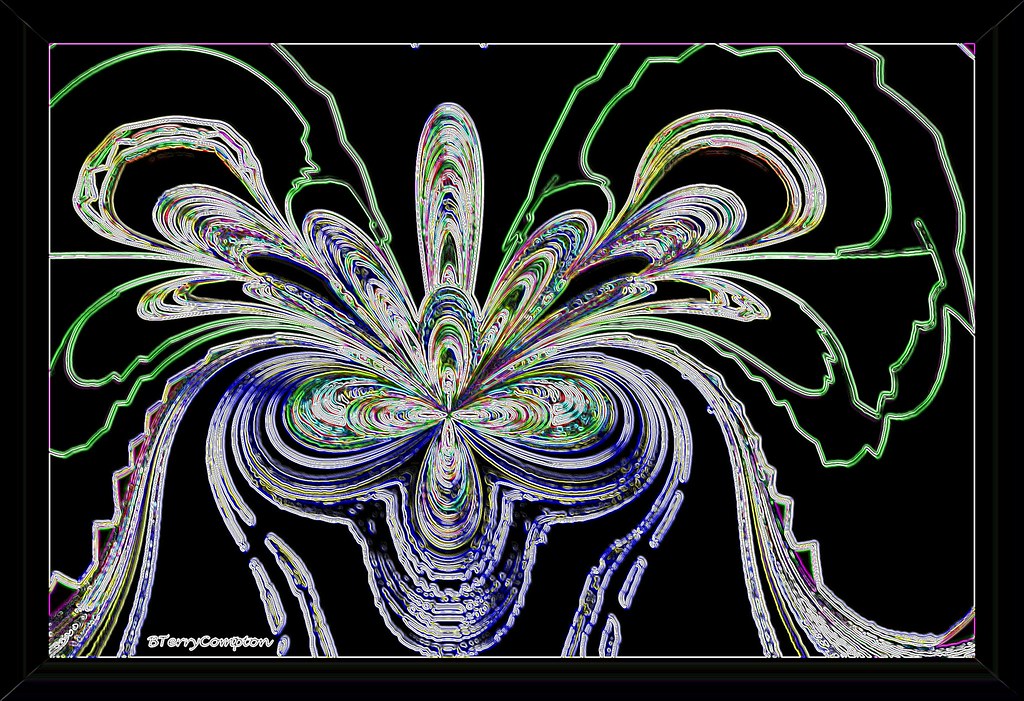
In the realm of art photography, digital manipulation has become an essential tool for artistic expression. Photographers are increasingly using software to enhance their images, blend realities, and create surreal compositions that challenge viewers’ perceptions.
- Layering Techniques: Many artists utilize layering in post-processing to create depth and complexity in their work. By combining multiple images or textures, photographers can construct rich visual narratives.
- Color Grading: Adjusting color tones and balances can dramatically alter the mood and emotional impact of an image. Photographers are experimenting with varied palettes to evoke specific feelings or atmospheres.
2. Experimenting with Formats and Mediums
The evolution of formats and mediums in art photography is reflective of broader artistic trends. Contemporary artists are stepping beyond traditional prints and exploring diverse presentation styles.
- 3D Printing of Photos: Some photographers are now using 3D printing technology to create tangible representations of their work, adding a new dimension to the experience of viewing art.
- Lenticular Prints: This innovative technique allows images to change depending on the viewer’s angle, creating an interactive experience that captivates audiences.
3. Mixed Media Integrations
Another significant trend involves the integration of different media. Many artists are combining photography with painting, sculpture, or digital art, resulting in multifaceted works that defy categorization.
- Photography and Painting: Some create hybrid pieces by manipulating photographs and then painting over them, bridging the gap between photography and traditional art forms.
- Digital Collage: Using mixed media creates a unique storytelling approach, allowing photographers to incorporate various elements and textures into a single composition.
4. Conceptual Photography as an Art Form
Conceptual photography has gained prominence as a key technique in art photography. This approach emphasizes ideas and concepts over technical skill, with the image serving as a vehicle for deeper meaning.
- Personal Narratives: Many artists are sharing personal stories through their work, inviting viewers to engage with their experiences on a more profound level.
- Societal Commentary: Conceptual photography often reflects on social issues, allowing photographers to address themes such as identity, culture, and environmental concerns.
5. The Role of Social Media in Art Photography
Social media platforms have fundamentally altered the way art photography is shared and consumed. They serve as powerful tools for photographers to build their audience and showcase their work.
- Instant Feedback: Artists receive immediate reactions to their work, which can influence their creative direction and provide societal context for their art.
- Networking Opportunities: Social media facilitates connections between photographers, curators, and galleries, enriching the art community and fostering collaboration.
6. Sustainability and Ethical Practices
As awareness of environmental issues grows, art photographers are becoming more conscious of their practices. Sustainable techniques and ethical considerations are increasingly important in the art photography landscape.
- Eco-Friendly Printing: Many photographers are opting for sustainable materials and processes when producing prints, reducing their ecological footprint.
- Responsible Subject Matter: Artists are also being mindful of the subjects they choose to represent, ensuring they approach topics with sensitivity and respect.
Conclusion: The Future of Art Photography in 2026
The evolution of art photography techniques is a testament to the creativity and resilience of artists in adapting to contemporary challenges and opportunities. As we look ahead to the rest of 2026 and beyond, it is clear that the boundaries of this art form will continue to expand. Photographers who embrace change and harness the power of innovative techniques will undoubtedly shape the narrative of art photography for years to come.