Introduction
In the ever-evolving world of visual art, art photography stands out as a unique and powerful medium. As we embrace 2026, it’s essential to explore the current trends and techniques that define this captivating art form. From innovative styles to thematic exploration, understanding these elements can enhance both the appreciation and creation of art photography.
Understanding Art Photography
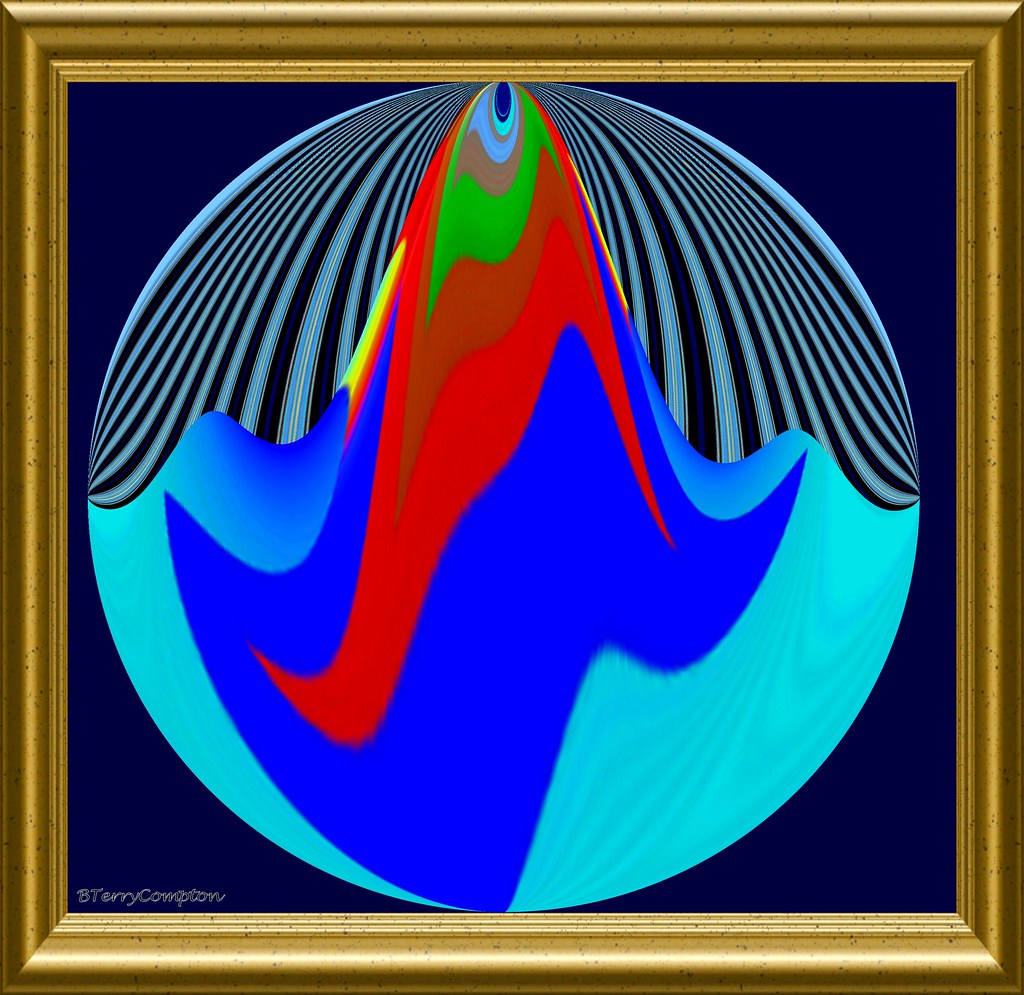
Art photography differs from traditional photography in that it is primarily created according to the artist’s vision, aiming to convey emotions, concepts, or narratives rather than merely documenting reality. This makes art photography an emotional and intellectual experience for both the artist and the viewer.
Defining the Contemporary Landscape
In recent years, art photography has seen a significant shift influenced by various cultural and technological advancements. As of 2026, several key trends are shaping the contemporary landscape of this art form:
- Diverse Cultural Perspectives: Artists are increasingly embracing multicultural viewpoints, creating works that reflect a myriad of experiences and backgrounds.
- Environmental Consciousness: The theme of sustainability and nature has gained traction, with photographers capturing the delicate balance between mankind and the environment.
- Digital Manipulation: Many artists are incorporating digital techniques, allowing for creative expression beyond traditional boundaries.
- Interactive Installations: Viewers are invited to engage in the artwork, often through immersive displays that combine physical and digital elements.
Trends to Watch in 2026
1. Narrative-Driven Art
Photographers in 2026 are focusing more on storytelling through their images. This narrative-driven approach allows artists to create visually compelling sequences that invite viewers into a deeper engagement with the work. This trend encourages the exploration of personal and collective narratives, enhancing the emotional resonance of each piece.
2. Blending Genres
In 2026, artists are increasingly blending photography with other artistic mediums, such as painting, sculpture, and digital art. This hybridity creates visually stimulating pieces that challenge conventional boundaries. By merging genres, photographers are able to explore new aesthetics and broaden their artistic expression.
3. Technological Integration
New technologies, including 3D printing, augmented reality (AR), and virtual reality (VR), are making their mark in the photography realm. Artists use these tools to create immersive experiences, allowing viewers to interact with the artwork in novel ways. The integration of technology is not just a trend; it’s reshaping how art photography is conceptualized and experienced.
4. Focus on Authenticity
As the world becomes more digitally saturated, there’s a growing desire for authenticity in art. Photographers are responding by embracing raw, unfiltered aesthetics. This trend celebrates imperfections and the genuine essence of subjects, fostering a more relatable connection between the artwork and the viewer.
Techniques for the Modern Art Photographer
Embracing New Tools
Modern photography techniques are evolving rapidly, with new tools enhancing creative possibilities. In 2026, photographers should consider the following techniques to refine their craft:
- Experiment with Lighting: Mastering light is crucial. Photographers can play with natural and artificial light to evoke specific moods and enhance textures.
- Incorporate Mixed Media: By combining photography with other art forms, you can achieve unique results. Think about layering images with paint or incorporating found materials.
- Utilize Post-Processing: Tools like Adobe Photoshop and Lightroom are essential for modern photographers. Learning advanced techniques in these programs can help artists realize their original vision.
- Focus on Composition: A well-composed image captures attention. Explore different framing techniques and perspectives to elevate your photographs.
Continual Learning and Experimentation
The art photography landscape thrives on innovation, making continual learning a necessary pursuit. Photographers are encouraged to attend workshops, join online communities, and seek critique to stay inspired and informed. Experimentation is key; don’t hesitate to venture outside your comfort zone.
Conclusion
As we navigate through 2026, the realm of art photography continues to evolve, reflecting changing societal values and technological advancements. By embracing these trends and honing their techniques, artists can create works that resonate profoundly with audiences. The timeless allure of art photography lies in its ability to connect us to the human experience, making it a vital form of expression in today’s visual culture.