Introduction
As we approach the end of 2026, the world of art photography stands at a thrilling crossroads where creativity meets technological innovation. The integration of advanced technologies such as AI, augmented reality, and digital platforms is reshaping the landscape of art photography, enabling artists to explore new dimensions and engage with their audiences in unprecedented ways.
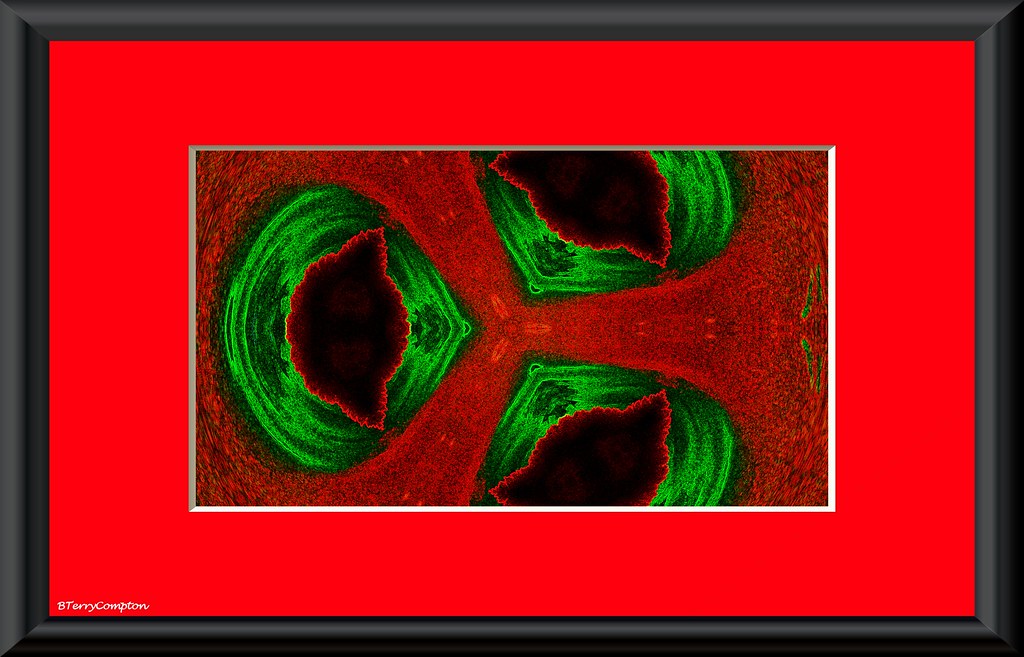
Understanding the Role of Technology in Art Photography
In recent years, technology has become a fundamental part of the artistic process, influencing everything from the conception of ideas to the final presentation of works. Here are some of the ways technology is transforming art photography:
- Digital Tools and Software: Programs such as Adobe Photoshop and Lightroom allow photographers to manipulate images with precision, enabling them to craft their vision without the constraints of traditional darkroom techniques.
- Artificial Intelligence: AI-driven tools help photographers automate repetitive tasks, analyze trends, and even generate new artistic styles, pushing the boundaries of creativity.
- Augmented and Virtual Reality: These technologies provide immersive experiences that can transport viewers into the worlds created by photographers, blurring the lines between reality and imagination.
Emerging Trends in Art Photography
As we delve deeper into 2026, several trends are becoming increasingly prominent in the realm of art photography:
- AI-Enhanced Creativity: Photographers are using AI not just for editing but also for brainstorming concepts, creating mood boards, and simulating different artistic styles. This synergy can result in unique visual narratives that captivate audiences.
- Interactive Art Experiences: Artists are creating works that invite viewer participation. Interactive installations allow audiences to influence the artwork through their actions, merging photography with performance art.
- Social Media Influence: Platforms like Instagram and TikTok continue to shape the way photographers present their work and engage with followers. The demand for visually striking content encourages artists to innovate and experiment with their styles.
Building a Personal Brand as an Art Photographer
In today’s digital landscape, establishing a strong personal brand is crucial for art photographers. Here are strategies to build your presence:
- Create a Cohesive Online Portfolio: Your website should reflect your artistic vision and showcase your best work. Use consistent themes and styles to create a recognizable brand identity.
- Engage on Social Media: Regularly share your work on social media platforms. Interact with your audience by sharing behind-the-scenes content, engaging stories, and insights into your creative process.
- Collaborate with Other Artists: Partnering with other photographers, painters, or digital artists can introduce you to new audiences and inspire innovative projects.
Ethics and Authenticity in Art Photography
The rise of technology raises important questions about authenticity and ethics in art photography. Here are significant considerations:
- Copyright and Ownership: With AI-generated art gaining popularity, issues surrounding copyright are becoming increasingly complex. Photographers must navigate these waters carefully to protect their work.
- Authenticity in Representation: As technology makes it easier to alter images, maintaining authenticity becomes a responsibility. Artists should strive to present true representations of their subjects and stories.
- Environmental Considerations: The use of digital technology can often lead to excessive energy consumption. Photographers are encouraged to consider sustainable practices in their work to minimize environmental impact.
The Future of Art Photography
Looking ahead, art photography in 2026 and beyond will continue to evolve, influenced by societal changes and technological advancements. Here are some predictions for the future:
- Increased Accessibility: As technology becomes more advanced and widespread, access to photography tools and education will broaden, allowing more aspiring photographers to enter the field.
- Integration of Data and Photography: Artists may begin to explore the intersection of data visualization and photography, creating works that tell stories through statistical representation.
- Expanded Global Perspectives: With a greater emphasis on inclusivity, art photography will reflect diverse voices, celebrating cultures and experiences previously marginalized in mainstream narratives.
Conclusion
In 2026, art photography stands poised to redefine not only how we create and perceive art but also how we connect with one another. As technology revolutionizes the artistic process, photographers must navigate the balance between innovation and authenticity. By embracing these changes and exploring the newfound possibilities, photographers can ensure their work resonates within both the art community and the broader world.