Introduction
As we step into 2026, the world of art photography stands at an exciting crossroads where technology meets emotion. With advancements in artificial intelligence, digital manipulation, and virtual reality, photographers are now able to originate art that transcends traditional boundaries. This article will explore how these technological innovations are shaping the emotional landscape of art photography, providing fresh insight and inspiration for both creators and viewers alike.
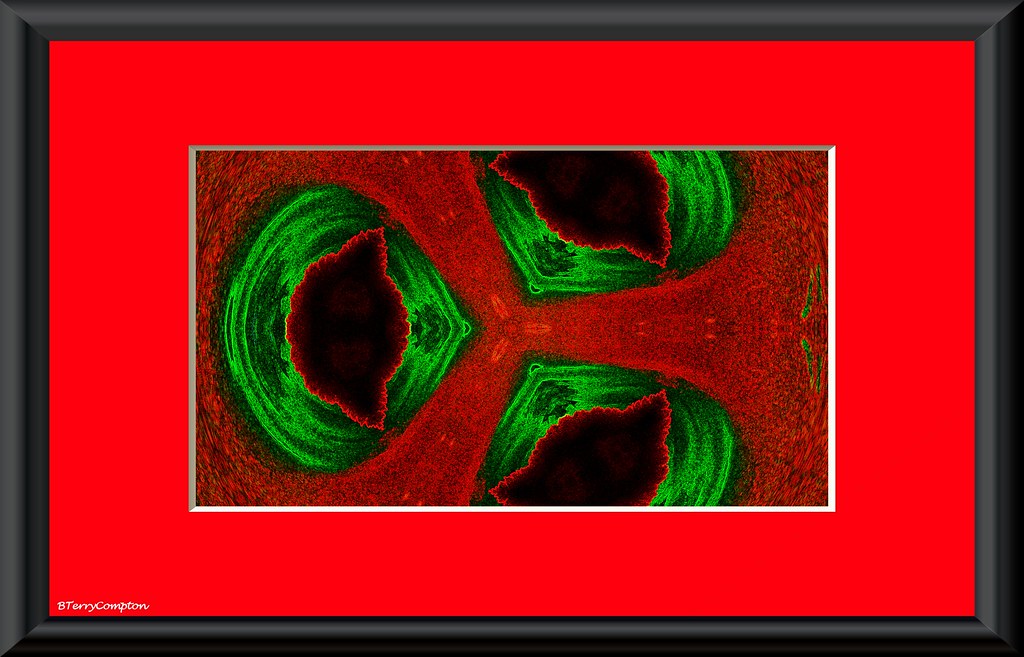
Technological Innovations in Art Photography
In recent years, technology has played a pivotal role in transforming art photography. These innovations not only enhance the technical quality of images but also broaden the artistic possibilities available to photographers.
1. Artificial Intelligence (AI) in Photography
AI tools have made significant inroads in the art photography sphere. From automated editing to intelligent scene recognition, AI can assist artists in enhancing their creative workflows. For instance:
- Smart Editing: AI-powered editing software can analyze photographs and recommend adjustments to color, exposure, and composition.
- Style Transfer: Artists can apply the styles of famous painters to their photos, creating a unique blend of photography and traditional art.
- Image Generation: With AI-generated images, photographers can create visuals that were once impossible, expanding the notion of what photography can be.
2. Virtual and Augmented Reality
The rise of virtual reality (VR) and augmented reality (AR) is also influencing art photography. Photographers are using these technologies to create immersive experiences that allow viewers to engage with images in new ways:
- Virtual Exhibitions: Artists can now showcase their work in fully immersive VR galleries, allowing audiences to explore their art from the comfort of their homes.
- AR Experiences: Through AR, photographers can overlay additional information or imagery onto their photos, providing depth and context that enrich the viewing experience.
The Emotional Connection in Art Photography
While technology facilitates new avenues of creativity, the emotional impact of art photography remains paramount. The challenge is not just to create visually stunning images but to evoke feelings and tell stories that resonate with audiences.
1. The Power of Narrative
Art photography has always been a medium for storytelling. In 2026, photographers are increasingly focusing on narrative-driven work, where each image serves as a chapter in a larger story. This trend emphasizes:
- Personal Stories: Many photographers are drawing on personal experiences and emotions, creating intimate portraits that invite the viewer into their world.
- Social Commentary: Photographers are using their art to address pressing social issues, urging viewers to confront uncomfortable truths.
- Cultural Reflection: Art photography continues to reflect the cultural zeitgeist, capturing the complexities of modern life and identity.
2. Evoking Emotions Through Techniques
Various techniques can amplify the emotional resonance of photographs:
- Color Psychology: The use of color can significantly influence how an audience perceives an image. For example, warm colors can evoke feelings of warmth and happiness, while cooler tones may convey sadness or introspection.
- Composition: Strategic framing and composition can guide the viewer’s eye and emphasize the intended emotional weight of the photograph.
- Textural Elements: Incorporating textures can engage the viewer’s senses, making the image more impactful.
The Future Landscape of Art Photography
Looking ahead, the interplay of technology and emotion will only become more pronounced. Artists will continue to explore new ways to connect with their audiences, using cutting-edge tools while remaining grounded in the timeless art of storytelling.
1. Community Engagement
Collaborative projects within artistic communities are on the rise, with photographers teaming up with other creatives, including writers, musicians, and visual artists. These partnerships create multi-layered experiences that can evoke deeper emotions and foster a sense of belonging.
2. Sustainable Practices
As awareness of environmental issues grows, more photographers are incorporating sustainability into their practices. From choosing eco-friendly materials to advocating for climate action through their work, this trend is shaping both the content and context of art photography.
Conclusion
In 2026, art photography is poised to be a dynamic blend of technological innovation and emotional depth. As artists embrace new mediums and forms of expression, the ability to connect with audiences on a profound level will define the future of art photography. By harnessing the possibilities offered by modern technology while remaining committed to powerful storytelling, photographers will continue to shape the way we see and feel about the world.