Understanding the Essence of Art Photography
Art photography is not merely about capturing an image; it is an intricate dance between light, emotion, and context. In 2026, we see a continuation of this dialogue, where photographers strive to delve deeper into the nuances of human experience through their lens. This article will explore how art photography serves as a medium for storytelling, connection, and emotional expression.
1. Art Photography as a Narrative Tool
Each photograph tells a story, often one that reflects the photographer’s perspective of the world. The power of art photography lies in its ability to convey narratives that transcend cultural barriers and speak to universal human experiences.
1.1 The Role of Visual Language
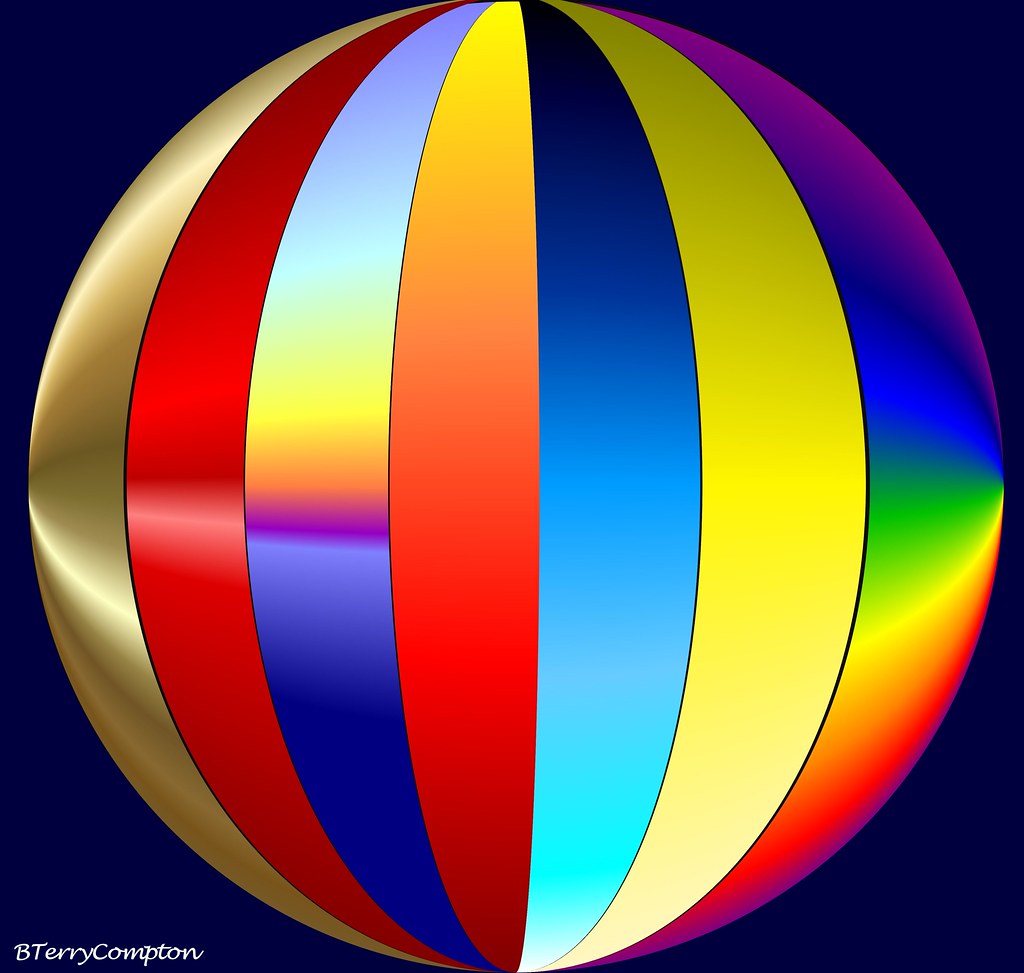
The visual language of art photography incorporates colors, shapes, and compositions that resonate with viewers on a psychological level. By understanding these elements, photographers can craft images that not only capture attention but also evoke emotions and provoke thought.
1.2 Storytelling Through Themes
- Identity: Many contemporary art photographers explore themes of identity, using their work to question societal norms and address personal experiences.
- Nature: Nature remains a rich subject in art photography, as it can reflect the beauty and fragility of our environment.
- Social Issues: Art photography increasingly tackles pressing social issues, using powerful imagery to raise awareness and inspire change.
2. Emotional Resonance in Art Photography
In 2026, artists are emphasizing the emotional aspect of their work more than ever. Viewers are drawn to photographs that resonate with their feelings, making art a profound avenue for connection.
2.1 Capturing Raw Emotions
Photographers are adept at capturing candid moments that reveal raw human emotions. Whether it’s joy, sorrow, or nostalgia, these images can create a visceral experience for the viewer.
2.2 The Use of Light
Light plays a critical role in conveying emotions in art photography. Photographers manipulate natural and artificial light to create moods, from the stark contrasts of shadows to the soft glow of sunrise.
3. The Influence of Technology on Art Photography
Technological advancements have transformed the art photography landscape, allowing artists to experiment with new mediums and techniques that enhance their storytelling.
3.1 Digital Manipulation and Mixed Media
In 2026, digital manipulation remains a popular technique among art photographers. By blending traditional photography with digital elements, artists can create surreal compositions that challenge perceptions and invite viewers to engage more deeply with the work.
3.2 Virtual Reality and Immersive Experiences
As virtual reality technology advances, artists are exploring how to create immersive experiences through their work. This enables viewers to step inside a photograph and experience the narrative in a new, engaging way.
4. The Future of Art Photography: Bridging Connections
Looking ahead, the future of art photography will likely continue to emphasize connections—both between the photographer and the subject, and between the work and the viewer.
4.1 Collaborative Projects
Artists are increasingly collaborating with individuals from diverse backgrounds, enriching their work with different perspectives and stories. These collaborations often result in more meaningful narratives that resonate on multiple levels.
4.2 Fostering Community Through Art
Art photography also plays a vital role in fostering community. Exhibitions, workshops, and online platforms provide spaces for artists and viewers to interact, share experiences, and support one another in their artistic endeavors.
Conclusion
In 2026, art photography is not just an aesthetic pursuit; it is a powerful medium for storytelling and emotional connection. As photographers continue to explore the intricate relationship between light, emotion, and human experience, they invite us to reflect on our own lives and the world around us. By embracing the narrative potential of art photography, both artists and viewers can engage in a meaningful dialogue that transcends the boundaries of visual art.