The Emotional Impact of Art Photography
Art photography is more than just a medium for capturing images; it’s a powerful means of conveying emotions and messages. In 2026, the art photography scene is thriving, with photographers pushing the boundaries of expression and creativity. This article explores the evolving landscape of art photography, highlighting its emotional resonance and the ways it connects with viewers.
Understanding the Emotional Language
Every photograph tells a story, but the emotional language behind art photography goes deeper. By using elements like color, composition, and subject matter, photographers can evoke feelings of joy, melancholy, nostalgia, or even discomfort. This emotional engagement is what sets art photography apart from other forms—it’s a nuanced dialogue between the image and the observer.
Innovative Approaches to Emotion in Art Photography
The year 2026 has seen a variety of innovative approaches that emphasize the emotional stakes in art photography:
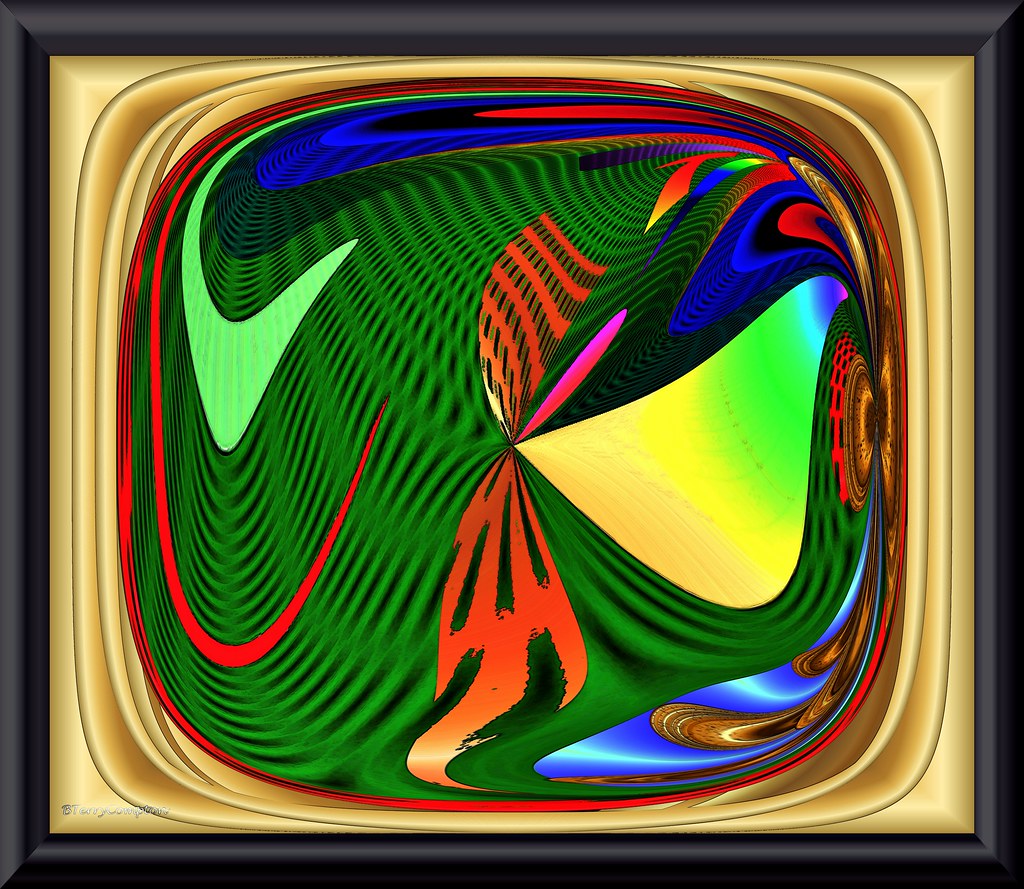
- Abstract Expressionism: Many photographers are embracing abstraction, allowing viewers to interpret emotions in a way that is personal and subjective. This approach encourages an intimate connection with the artwork.
- Socio-Emotional Narratives: Photographers are increasingly weaving social issues into their work, creating a dialogue around pressing themes like mental health, climate change, and social justice. By doing so, they engage audiences on a deeper emotional level.
- Interactive Installations: The rise of immersive art installations provides audiences with a multi-sensory experience, further enhancing the emotional impact of the photographs. Viewers are not just observers; they become participants in the emotional narrative.
The Role of Color and Composition
Color and composition are fundamental elements in establishing the mood of a photograph. Artists in 2026 are experimenting with these elements to craft visually stunning images that resonate emotionally:
- Color Psychology: Understanding the psychological effects of color allows photographers to use hues to evoke specific emotions. For example, warm tones can create a sense of warmth and comfort, while cooler tones may evoke feelings of calm or sadness.
- Dynamic Composition: Composition is pivotal in guiding the viewer’s eye and shaping their emotional response. Techniques like leading lines, symmetry, and framing can heighten the expressive quality of an image.
Impact of Social Media on Art Photography
Social media continues to reshape the way art photography is consumed and appreciated. In 2026, platforms like Instagram and TikTok are not just venues for sharing art but also spaces for meaningful interactions:
- Expanded Reach: Photographers can reach global audiences instantly, allowing diverse cultural expressions to flourish and inspiring emotional connections across borders.
- Community Building: Online communities enable photographers to share their experiences and emotions, fostering a sense of belonging and support.
- Acknowledgment of Vulnerability: Many artists share their personal stories behind their works, creating transparency that resonates with viewers, making art photography more relatable.
Crafting Personal Narratives Through Photography
In 2026, personal narratives have become a cornerstone of art photography. Artists are increasingly using their work to explore their identities, experiences, and emotions:
- Autobiographical Projects: Photographers are creating series that reflect their life journeys, using their cameras as tools for introspection and storytelling.
- Cultural Exploration: Many artists are delving into their cultural backgrounds, using photography as a way to communicate heritage, tradition, and personal identity.
The Future of Art Photography: Emotion and Technology
As we look ahead, the intersection of technology and emotion in art photography is likely to lead to groundbreaking developments. In 2026, artists are embracing:
- Augmented Reality: This technology allows viewers to engage with photographs in dynamic ways, turning static images into evolving stories that tap into deeper emotional responses.
- AI and Emotion Recognition: Advances in AI are enabling photographers to understand how their work is perceived emotionally, helping inform future projects that resonate more profoundly with their audience.
Conclusion
Art photography in 2026 is a vibrant and complex medium that transcends mere visual representation. By exploring the depths of emotional language, innovative practices, and the impact of technology and social media, photographers are crafting profound narratives that resonate with audiences worldwide. As the field continues to evolve, art photography will undoubtedly remain a vital form of expression, capable of capturing the intricate tapestry of human emotion.