Introduction to Art Photography
Art photography has always been a powerful medium for expression, bridging the gap between reality and imagination. As we move through 2026, this medium is evolving in ways that reflect both technological advancements and shifting cultural narratives. In this article, we will explore the profound connection between light, shadow, and emotion, and how photographers are harnessing these elements to create compelling art pieces.
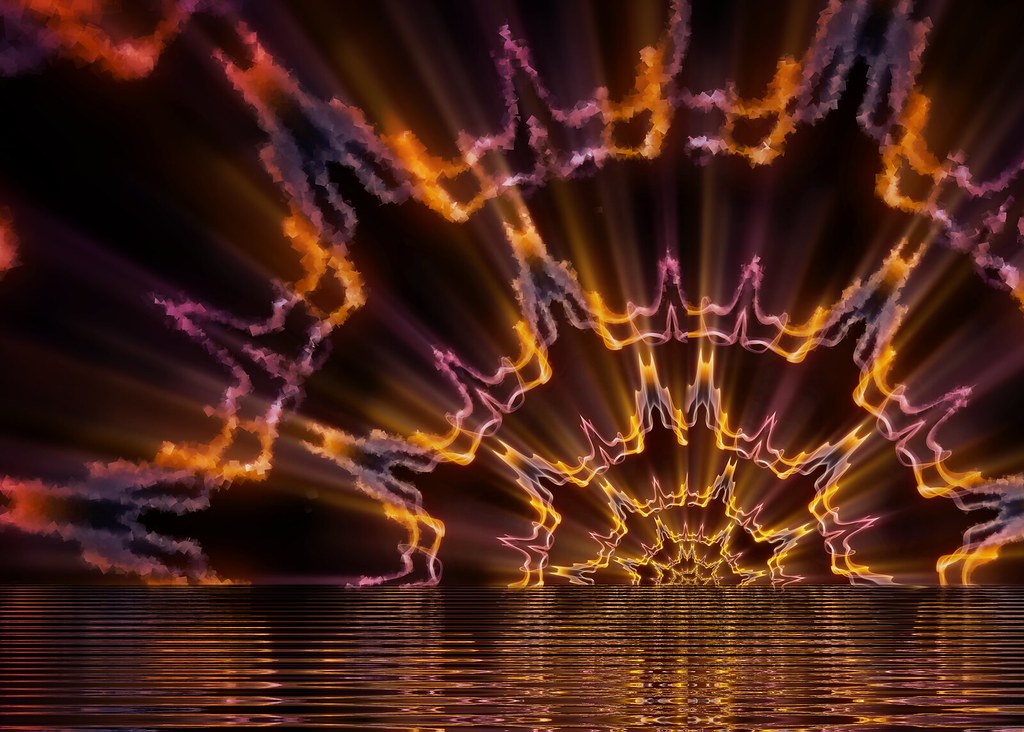
The Essence of Light in Photography
Light is the cornerstone of photography, dictating how images are formed and perceived. In art photography, the manipulation of light becomes an artistic choice rather than a mere technical necessity. Here are some ways light plays a crucial role:
- Natural Light: Many photographers are turning towards natural light sources, exploring the subtle variations that occur throughout the day. The golden hour, in particular, is favored for its soft, diffused light that enhances textures and colors.
- Artificial Light: With the rise of technology, artificial lighting options have expanded. From studio setups to creative use of neon lights, photographers can craft unique atmospheres that convey various moods.
- Light as a Subject: Some artists focus on light itself as a subject. By capturing reflections, shadows, and the interplay of light on different surfaces, they invite viewers to see the world from a fresh perspective.
Understanding Shadow in Art Photography
While light is essential, shadow adds depth and intrigue to photographs. Shadows create contrast and can dramatically alter the perception of an image. Here’s how photographers are using shadows creatively:
- Creating Drama: Strong shadows can evoke emotions and create a sense of drama within an image. Photographers often use shadows to highlight the contours of their subjects or to place emphasis on specific areas of their compositions.
- Texture and Form: Shadows can reveal texture and define shape, adding a three-dimensional quality to two-dimensional art. This technique is especially useful in portrait and still-life photography.
- Symbolism: Shadows can carry significant symbolic meaning. For instance, a long shadow may evoke feelings of loneliness or introspection, while playful shadows can convey joy and liveliness.
Combining Light and Shadow: Creating Emotional Impact
The interplay of light and shadow can transform a simple photograph into a profound piece of art. Photographers are increasingly aware of how these elements interact and are employing various techniques to convey deeper emotional narratives:
- High Contrast Techniques: By favoring high contrast, artists create striking images that capture attention while evoking strong emotional reactions from viewers.
- Soft Shadows: Gentle, soft shadows are used to create a more tranquil and serene atmosphere. This technique is effective in conveying themes of peace and calm.
- Silhouette Photography: Silhouettes often strip away detail, focusing on form and shape. The resulting images can provoke curiosity, allowing viewers to project their interpretations.
Trends in Art Photography for 2026
The art photography landscape is continuously shifting, driven by technological advances and cultural influences. Here are a few notable trends emerging in 2026:
- Augmented Reality (AR) Integration: Photographers are beginning to experiment with AR to enhance their work. This technology allows viewers to engage with images in immersive ways, adding layers of interaction.
- Environmentally Conscious Practices: As awareness of environmental issues grows, many photographers are adopting sustainable practices, such as using eco-friendly materials and promoting nature conservation through their art.
- Diverse Perspectives: There is a growing demand for representation in art photography, leading to a wider range of voices and narratives represented in the medium.
The Role of Community in Art Photography
In 2026, community plays an essential role in shaping the future of art photography. With social media platforms and online galleries, artists can connect and collaborate in ways that were once unimaginable:
- Online Communities: Photographers are finding new audiences through platforms dedicated to art photography, where they can share their work, receive feedback, and gain inspiration.
- Collaborative Projects: Artist collaborations are becoming increasingly popular, bringing together different styles and narratives to create unique pieces that challenge conventional boundaries.
- Exhibitions and Art Festivals: Local and global exhibitions are vital for community engagement, allowing photographers to showcase their works and connect with viewers face-to-face.
Conclusion: Embracing the Future of Art Photography
As we continue to navigate through 2026, the dynamic relationship between light and shadow remains a fundamental aspect of art photography. Photographers are pushing boundaries, embracing technology, and redefining narratives to create emotionally impactful works. The future holds exciting possibilities, allowing artists to explore their creativity and connect with audiences in profound ways. Whether through manipulation of light, the power of shadow, or new technological innovations, art photography will continue to evolve and inspire.