The Evolution of Art Photography in the Digital Era
As we step into 2026, the landscape of art photography continues to evolve, shaped significantly by advancements in digital technology. Art photographers now have an unparalleled platform to showcase their work, utilizing social media, online galleries, and digital exhibitions. This article explores how art photography has adapted to the digital age, the trends currently shaping the field, and the implications for photographers and audiences alike.
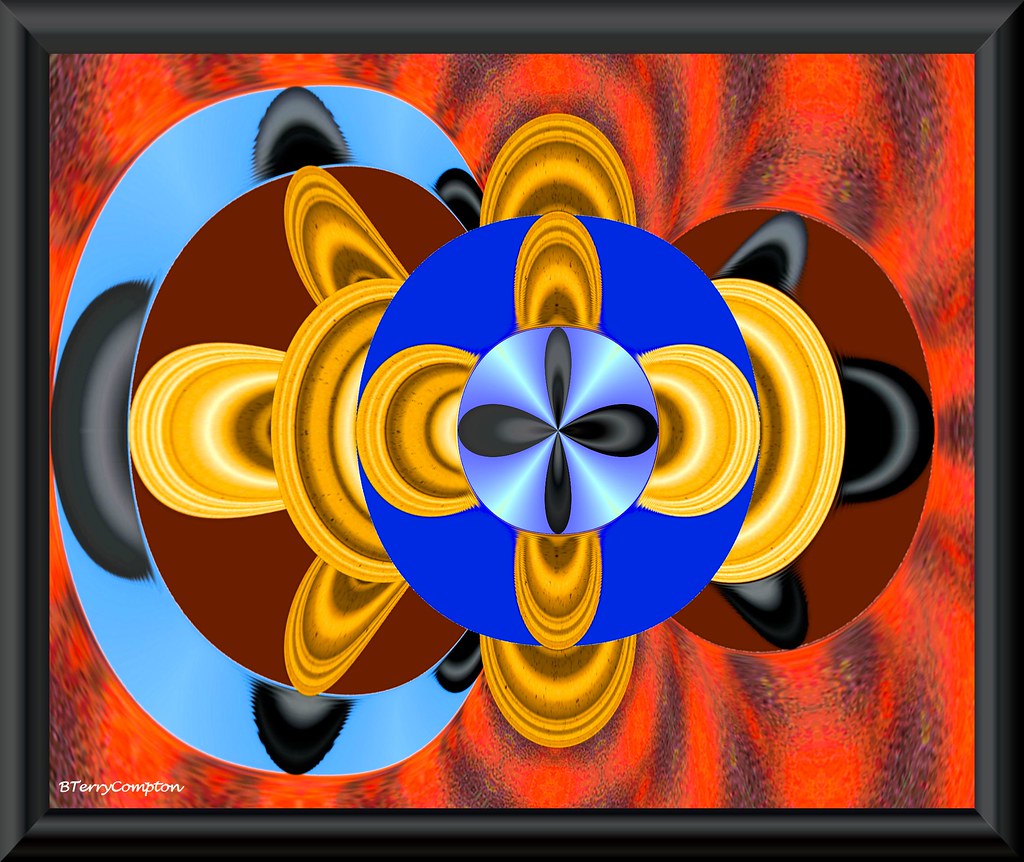
Embracing Digital Techniques
Digital technology has revolutionized the way photographers approach their craft. Here are some key techniques that have gained prominence:
- Post-Processing Innovations: Tools like Adobe Photoshop and Lightroom have always been mainstays for photographers, but 2026 has seen the rise of AI-powered software that can enhance images in ways previously unimaginable. These tools not only streamline the editing process but also allow for creative expressions that push traditional boundaries.
- Virtual Reality (VR) and Augmented Reality (AR): Photographers are increasingly incorporating VR and AR elements into their work. This technology enables viewers to immerse themselves in the artwork, creating experiences that engage multiple senses and deepen emotional connections.
- High Dynamic Range (HDR) Imaging: HDR has become a staple in art photography, allowing for a greater range of light and detail in images. This technique helps photographers to capture the subtlety and intricacy of their subjects.
Trends Reshaping Photography in 2026
Current trends in art photography reflect broader cultural shifts and technological advancements. Here are some notable trends:
- Sustainability and Eco-Consciousness: Many photographers are adopting sustainable practices, from sourcing materials to staging shoots in eco-friendly environments. This trend highlights an increasing awareness of environmental issues within the artistic community.
- Social Commentary: Art photography is increasingly being used as a medium for social change. Photographers tackle pressing issues such as climate change, racial equality, and human rights, using their platforms to inspire dialogue and action.
- Personal Narratives: There is a notable shift towards introspective works that reflect personal stories and experiences. This trend encourages a connection between the artist and the audience, fostering empathy and intimacy.
The Role of Social Media
Social media platforms like Instagram and TikTok have become essential tools for art photographers. These platforms not only serve as a gallery for their work but also as a means to connect with audiences globally.
Building a Community
Through social media, photographers can engage with their followers, receive immediate feedback, and build a community around their art. Hashtags and challenges often spur creativity and foster collaboration among artists.
Marketing and Exposure
Utilizing algorithms to reach a wider audience has reshaped marketing strategies for photographers. By leveraging social media analytics, photographers can understand their audience better and tailor their content accordingly, ensuring greater exposure and engagement.
Challenges in the Digital Space
While the digital landscape provides many opportunities, it also comes with challenges:
- Market Saturation: With a growing number of photographers sharing their work online, standing out in a crowded market has become increasingly difficult. Artists must continuously innovate to capture the attention of their audience.
- Intellectual Property Concerns: The ease of sharing images online has raised concerns about copyright and intellectual property theft. Photographers must be vigilant in protecting their work while still sharing it to gain visibility.
- Over-Reliance on Technology: As digital tools and software become more sophisticated, some photographers may rely too heavily on technology, risking the authenticity of their artistic voice.
Conclusion: The Future of Art Photography
The art photography landscape in 2026 is a dynamic interplay of technology, creativity, and cultural awareness. As photographers navigate the digital realm, they must balance innovation with authenticity, ensuring that their work resonates on a deeper level with audiences. Looking ahead, art photography will undoubtedly continue to adapt and thrive, reflecting the complexities of contemporary life and the human experience.