Introduction to Art Photography
Art photography occupies a unique space in the realm of visual arts, acting as a bridge between reality and creativity. Unlike traditional or commercial photography, which mainly focuses on capturing realistic images, art photography goes beyond mere representation, infusing creative concepts and personal expressions into each shot. In 2026, this discipline continues to evolve, influenced by advancing technology, cultural shifts, and new artist perspectives.
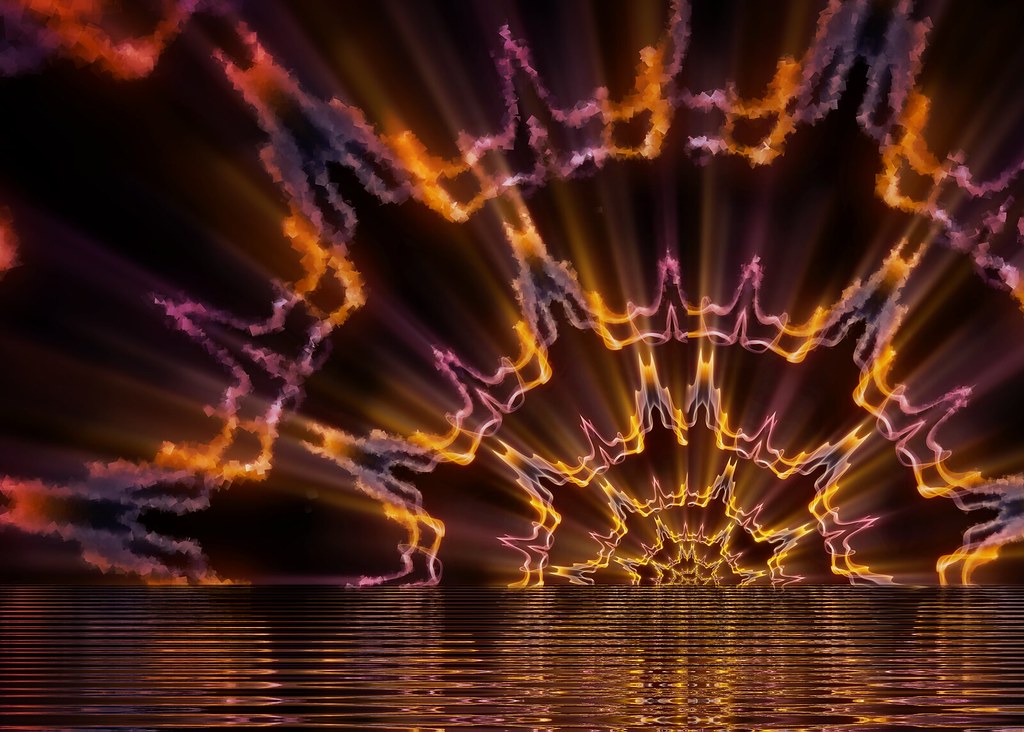
The Basics of Art Photography
At its core, art photography aims to convey emotions, ideas, and themes that resonate with viewers on a deeper level. Here are some fundamental aspects that distinguish it:
- Creative Expression: Art photography is often described as a personal vision of the photographer, showcasing their aesthetic perspective.
- Concept Development: Many art photographers begin with a concept or theme, allowing them to create cohesive bodies of work.
- Emphasis on Composition: The arrangement of elements within the frame plays a crucial role in art photography, often dictating how the viewer experiences the image.
Current Trends in Art Photography
As we navigate through 2026, several trends are shaping the art photography landscape:
1. Digital Manipulation and Mixed Media
The rise of digital tools has opened up new avenues for creativity. Many artists are blending photography with other mediums such as painting and digital art to create compelling mixed media pieces. This approach allows for unique storytelling techniques that traditional photography might not achieve.
2. Interactive Photography
With the advancement of technology, particularly in virtual reality (VR) and augmented reality (AR), interactive photography is becoming increasingly popular. Artists are experimenting with ways to create immersive experiences that invite viewers to engage actively with the artwork.
3. Sustainability in Photography
As environmental consciousness continues to grow, many photographers are adopting sustainable practices. This includes using eco-friendly materials for prints and packaging and focusing on themes that highlight environmental issues.
Art Photography Techniques to Explore
For aspiring art photographers, mastering certain techniques can elevate their work:
- Long Exposure: This technique captures the flow of time, turning dynamic scenes into ethereal visuals. It’s particularly impactful in landscape photography.
- Double Exposure: By layering two images, photographers can create unique narratives and explore complex themes.
- Play with Depth of Field: Varying the depth of field can dramatically change the viewer’s focus, leading to more thoughtful interpretations of the image.
Creating a Portfolio that Stands Out
Building a strong portfolio is essential for any art photographer looking to showcase their work. Here are some tips to ensure your portfolio shines:
- Curate Thoughtfully: Select images that not only represent your style but also tell a cohesive story or theme.
- High-Quality Presentation: Use high-resolution images and consider the overall layout of your portfolio to create an engaging viewer experience.
- Update Regularly: As you grow and evolve as an artist, ensure your portfolio reflects your current capabilities and artistic direction.
Promoting Your Art Photography
In 2026, promoting your art photography effectively is crucial for gaining recognition. Here are some effective strategies:
- Social Media Engagement: Platforms like Instagram and Pinterest remain popular for visual content, allowing photographers to connect with a global audience. Utilize hashtags strategically to reach new viewers.
- Art Exhibitions and Fairs: Participating in local and international exhibitions can help you gain exposure and network with other artists.
- Online Presence: Maintain a professional website and blog to showcase your portfolio, share insights, and attract potential buyers or galleries.
Conclusion: The Future of Art Photography
As we continue to move through 2026, art photography remains a dynamic field that blends creativity, technology, and personal expression. By embracing emerging trends, refining techniques, and promoting work effectively, photographers can carve out a meaningful space in this ever-evolving landscape. The journey of exploring art photography is not just about capturing images; it’s about forging connections and expressing one’s vision in a world that craves authenticity and innovation.