Introduction to Art Photography as Storytelling
Art photography is not just about capturing images; it’s about weaving narratives that resonate with viewers. As we delve into 2026, the intricate relationship between visual art and storytelling becomes increasingly significant. This article explores how art photography can narrate stories, evoke emotions, and connect with audiences on a deeper level.
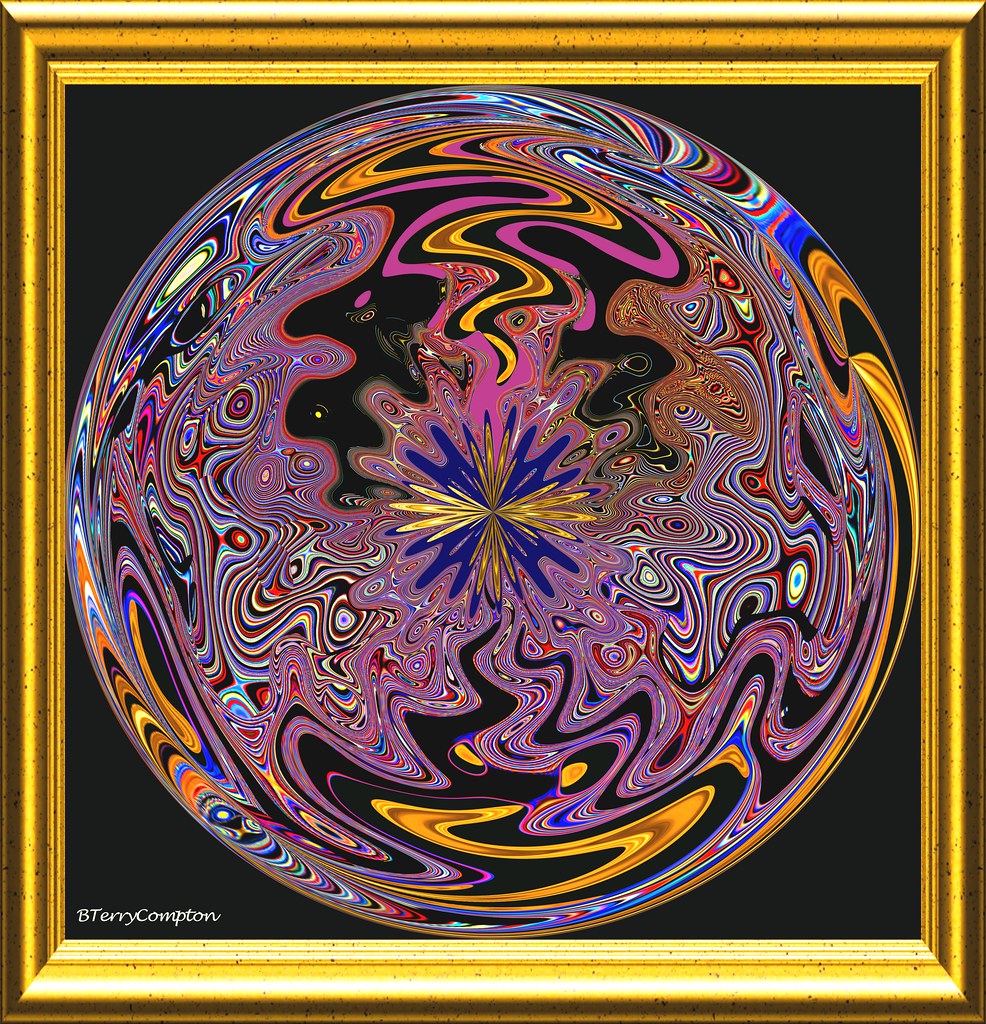
The Essence of Storytelling in Art Photography
Photography has long been a medium for storytelling, allowing artists to express complex themes through visual means. In art photography, the interplay of light, composition, and subject matter comes together to create visual narratives that can be both personal and universal. Here are some key aspects that highlight the importance of storytelling in art photography:
- Emotional Connection: A well-captured photograph can evoke emotions, making viewers feel connected to the subject.
- Context and Environment: The location and setting can enrich the story, giving depth to the visual narrative.
- Character and Subject: The people, objects, or scenes depicted often serve as protagonists in the unfolding story.
- Symbolism and Metaphors: Photographers often use symbolism to convey deeper meanings, inviting viewers to interpret the image beyond its surface.
The Techniques Behind Visual Storytelling
To master the art of storytelling through photography, artists employ various techniques:
Composition
The arrangement of elements within a frame is crucial. Techniques such as the rule of thirds, leading lines, and framing can guide the viewer’s eye and enhance the storytelling aspect.
Lighting
Lighting plays a pivotal role in setting the mood and tone of the photo. Whether it’s soft, diffused light for a nostalgic feel or harsh shadows for dramatic effect, the right lighting can significantly influence the narrative.
Color Palette
The choice of colors can evoke specific emotions. Warm tones may suggest comfort and joy, while cooler tones can convey sadness or introspection. This careful selection helps establish the story’s emotional landscape.
Post-Processing Techniques
In the digital age, post-processing offers photographers the ability to manipulate images to further enhance their stories. Techniques such as color grading, cropping, and adding textures can transform a simple image into a compelling narrative.
Contemporary Examples of Art Photography Storytelling
As we look at contemporary art photographers, several notable figures exemplify storytelling through their work:
- Elisabeth Hasselbeck: Her series focuses on personal narratives that highlight the intersection of identity and culture, inviting viewers to explore their own stories.
- Andrew Zuckerman: Known for his stunning portraits that capture the essence of personality, his work often tells stories of human emotion and experience through simple yet powerful compositions.
- Rineke Dijkstra: Focusing on youth and transition, her work captures pivotal moments of growth and change, offering viewers a glimpse into the complexities of adolescence.
Creating Your Narrative Through Art Photography
For aspiring art photographers, weaving narratives into your work can elevate your photography to new heights. Here are some steps to help you start:
- Find Your Subject: Identify themes that resonate with you personally. What stories do you want to tell?
- Build a Visual Vocabulary: Explore different techniques, styles, and compositions to establish a unique voice in your storytelling.
- Engage with Your Audience: Share your stories through exhibitions, social media, or online platforms. Engage in conversations to understand how your work resonates with others.
- Reflect and Adapt: Continuous reflection on your work and the stories you tell allows for growth as an artist. Be open to feedback and new ideas.
Conclusion: The Future of Art Photography Storytelling
In 2026, art photography will continue to evolve, embracing new technologies and methodologies while maintaining its core essence of storytelling. As we navigate an increasingly digital landscape, the power of visual storytelling remains a potent tool for connection, understanding, and empathy. By capturing images that tell stories, photographers can foster a deeper appreciation for the world around us and encourage viewers to engage with their narratives in meaningful ways.