Introduction
In the vibrant world of art photography, 2026 is witnessing an unprecedented fusion between traditional techniques and digital innovation. As technology advances, photographers are not only seeking to capture images but are also experimenting with new tools and methods to express creativity. This article explores how digital innovation is reshaping the art photography landscape, enriching artistic expression while preserving the essence of the art form.
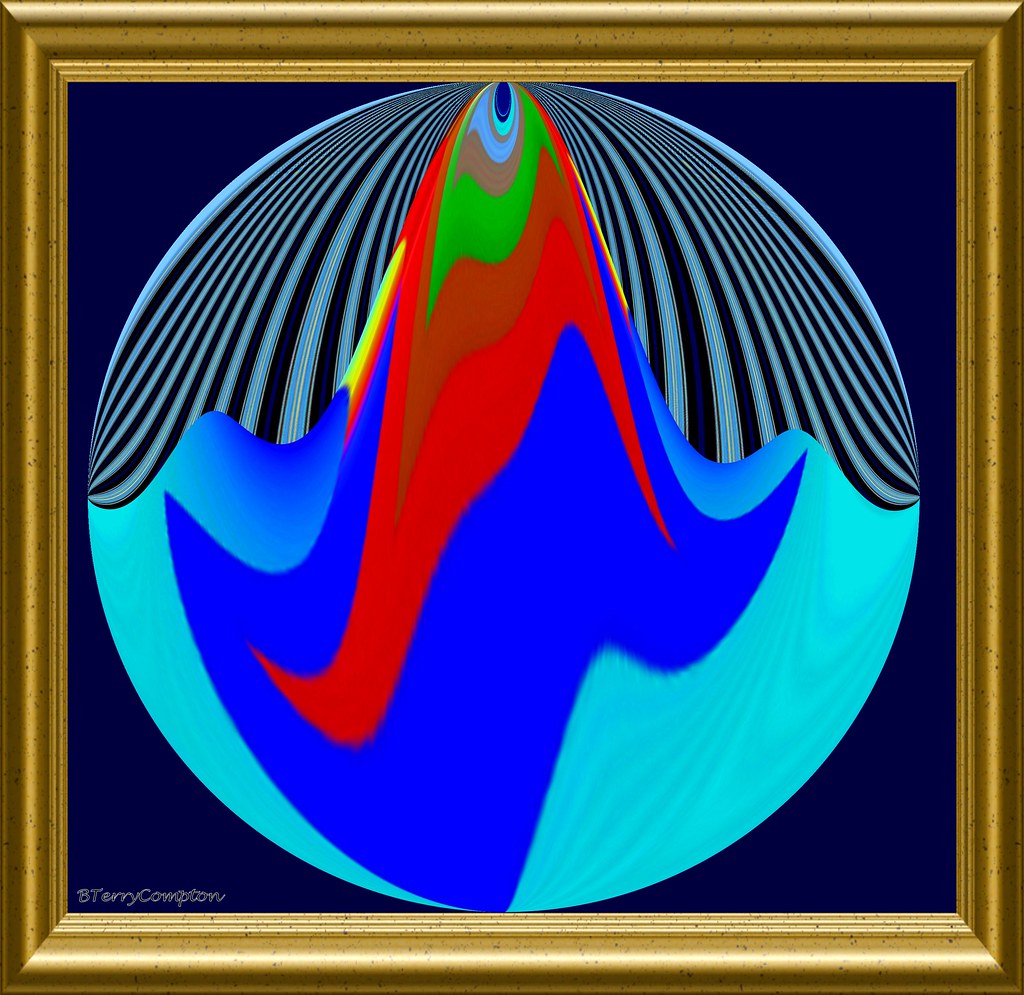
The Role of Digital Tools in Art Photography
Digital tools have revolutionized the way artists approach photography. With a plethora of software applications and digital cameras, photographers in 2026 are equipped to push the boundaries of creativity. Here are some key digital tools transforming the art photography scene:
- Editing Software: Programs like Adobe Lightroom and Photoshop continue to dominate, allowing photographers to refine their images and explore creative adjustments that were once only possible in the darkroom.
- 3D Imaging: Photographers are increasingly incorporating 3D modeling techniques, providing a new dimension to their work and inviting viewers into immersive environments.
- Augmented Reality (AR): AR is being utilized in exhibitions, allowing viewers to experience art photography in interactive ways, enhancing engagement and providing additional narratives behind the images.
- AI-Powered Tools: Artificial intelligence is being harnessed to analyze compositions and suggest enhancements, enabling photographers to explore creative directions they might not have considered.
Integrating Artistic Concepts with Technology
The synergy between art photography and technology is not just functional but conceptual. Photographers in 2026 are embracing digital mediums not only to improve workflows but to explore new artistic dimensions. Here’s how these integrations foster creativity:
- Conceptual Art Photography: Concepts that once required extensive physical setups can now be realized digitally, allowing artists to explore themes that address contemporary issues, such as identity, society, and the environment.
- Digital Installations: Photographers are experimenting with installations that combine photography with video and sound, creating multi-sensory experiences that captivate audiences.
- Social Media as a Canvas: Platforms such as Instagram and TikTok have become vital spaces for art photography. Artists are using these platforms not just to share images but to create them specifically for these digital landscapes, incorporating interactivity and narrative elements.
- Collaborative Projects: The digital age encourages collaboration among artists across various disciplines, leading to innovative projects that blend photography with music, dance, and performance art.
Challenges and Considerations
While digital innovation in art photography offers exciting possibilities, it also raises several challenges:
- Over-Saturation: The ease of creating and sharing images can lead to a saturated market, making it difficult for individual artists to stand out.
- Authenticity Concerns: With advanced editing techniques available, questions of authenticity and the integrity of art photography arise, prompting discussions about what constitutes “real” art.
- Digital Fatigue: As society becomes increasingly digital, there is a growing concern about digital fatigue, leading some artists to seek a return to more traditional methods to reconnect with audiences.
The Future of Art Photography
Looking ahead, the future of art photography in 2026 and beyond is bound to be an exhilarating journey. Innovations will continue to emerge, and artists will further explore the interplay of technology and traditional techniques. Here are a few predictions for the future:
- Increased Personalization: Photographers will likely utilize AI to create personalized experiences for their audiences, offering tailored content that resonates on an individual level.
- Expanded Virtual Exhibitions: As online viewing becomes more common, immersive virtual exhibitions will become the norm, enabling artists to reach global audiences without physical constraints.
- Sustainability in Art Photography: As environmental awareness grows, photographers may increasingly adopt sustainable practices, utilizing eco-friendly materials and processes in their work.
Conclusion
The intersection of art photography and digital innovation creates a dynamic landscape filled with opportunities for creativity and expression. As we move through 2026, artists will continue to leverage technology not only to enhance their craft but also to explore deeper narratives and connections with audiences. The future is bright for art photography, showcasing a harmonious blend of tradition and innovation that inspires both artists and viewers alike.